
Before Contact: Closing the Detection Gap in Utility and Telecom Safety
- Apr 21, 2026, 12:54 PM
-
It was a stormy night in Colorado. OSR — a restoration contractor group — was on site alongside a crew from the regional utility, working a storm restoration job. Dark, wet, downed infrastructure, no certainty about what was and wasn’t energized.
John Dvorak, a Regional Manager for OSR, was wearing a Compass device clipped to his hard hat. The E-Light Electric crew was not.
The Compass alerted.
The LED swept toward the undergrowth at the edge of the work area, toward brush that looked like nothing. John stopped everyone where they stood. The crew cleared the area and found a downed conductor buried in the vegetation. Fully energized. Completely invisible.
The field crew had been walking straight toward it.
No one was hurt that night. But the reason no one was hurt wasn’t procedure. It wasn’t PPE. It was a device that detected what no one could see, swept its light toward the source, and gave a field leader the information he needed to act.
Somewhere that same night, another safety manager was coordinating crews in conditions just like those, and didn’t have that information.

The Gap Every Safety Program Has
That night in Colorado wasn’t a rare scenario. It’s a typical Tuesday for field workers.
According to the Electrical Safety Foundation International (ESFI), overhead power line contact accounts for 49% of all electrical fatalities in U.S. workplaces. Lineworkers face an electrical fatality rate 60 to 70 times higher than the average American worker. For utility and telecom professionals, those aren’t statistics about other people’s industries. They’re the conditions crews work in every day.
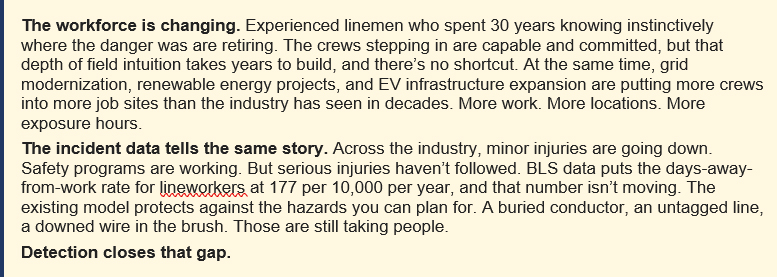
The industry’s protection model (rubber insulating gloves, arc flash clothing, dielectric footwear, established approach distances) remains the foundation and always will. But it has a built-in limit: it requires the worker to already know the hazard is there. It activates at the point of contact. Not before it.
That’s the gap. The window between when a hazard becomes present and when the worker knows about it. In that window, everything depends on procedure and awareness. Both can fail, and neither one can see a buried conductor in the dark.
And right now, that gap is wider than it’s ever been.
Two Things Working Together
Closing the gap takes two things working in parallel: detection at the worker level, and visibility at the supervisor level. The Compass Series handles the first. The Navigator platform handles the second.
Detection at the worker level
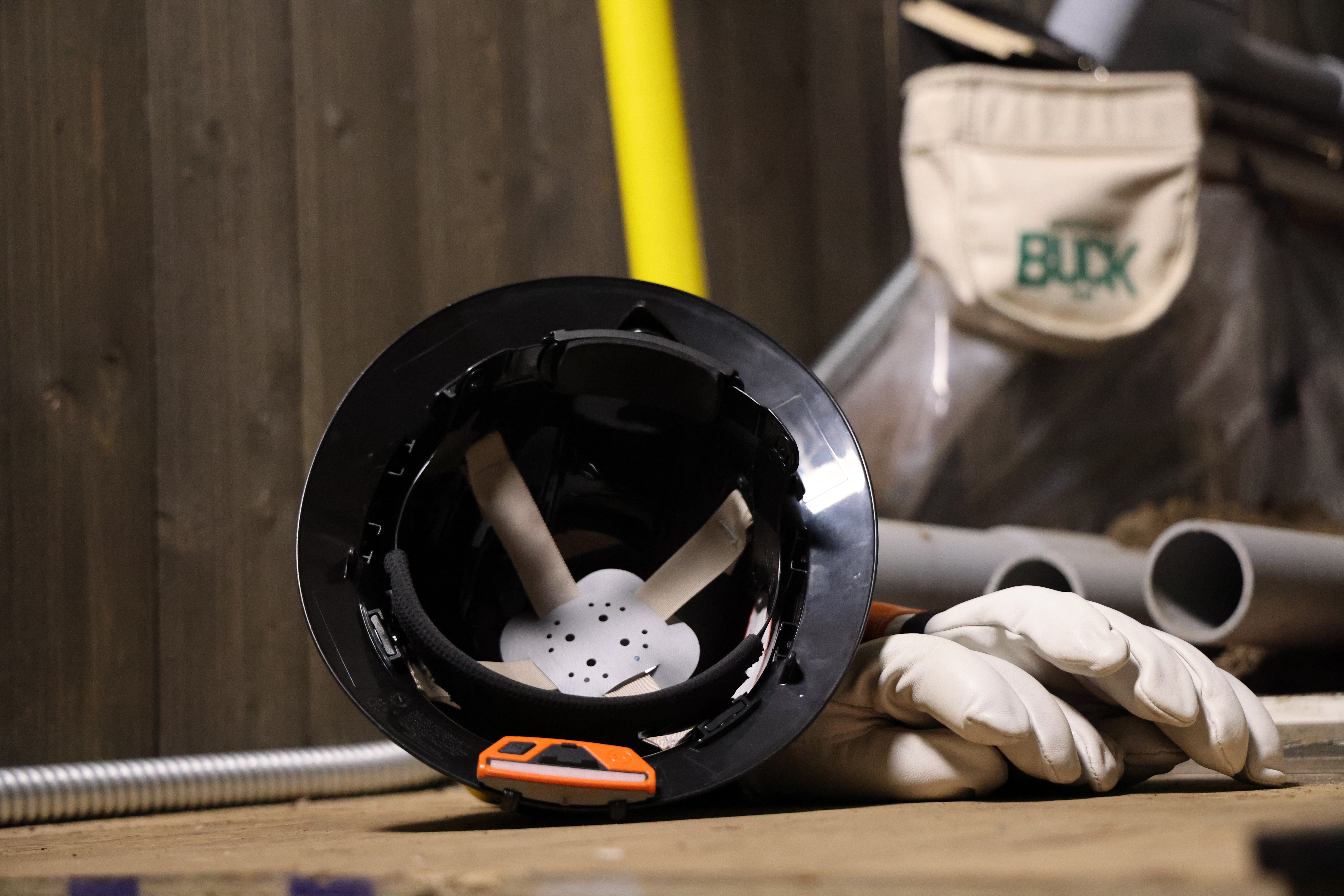
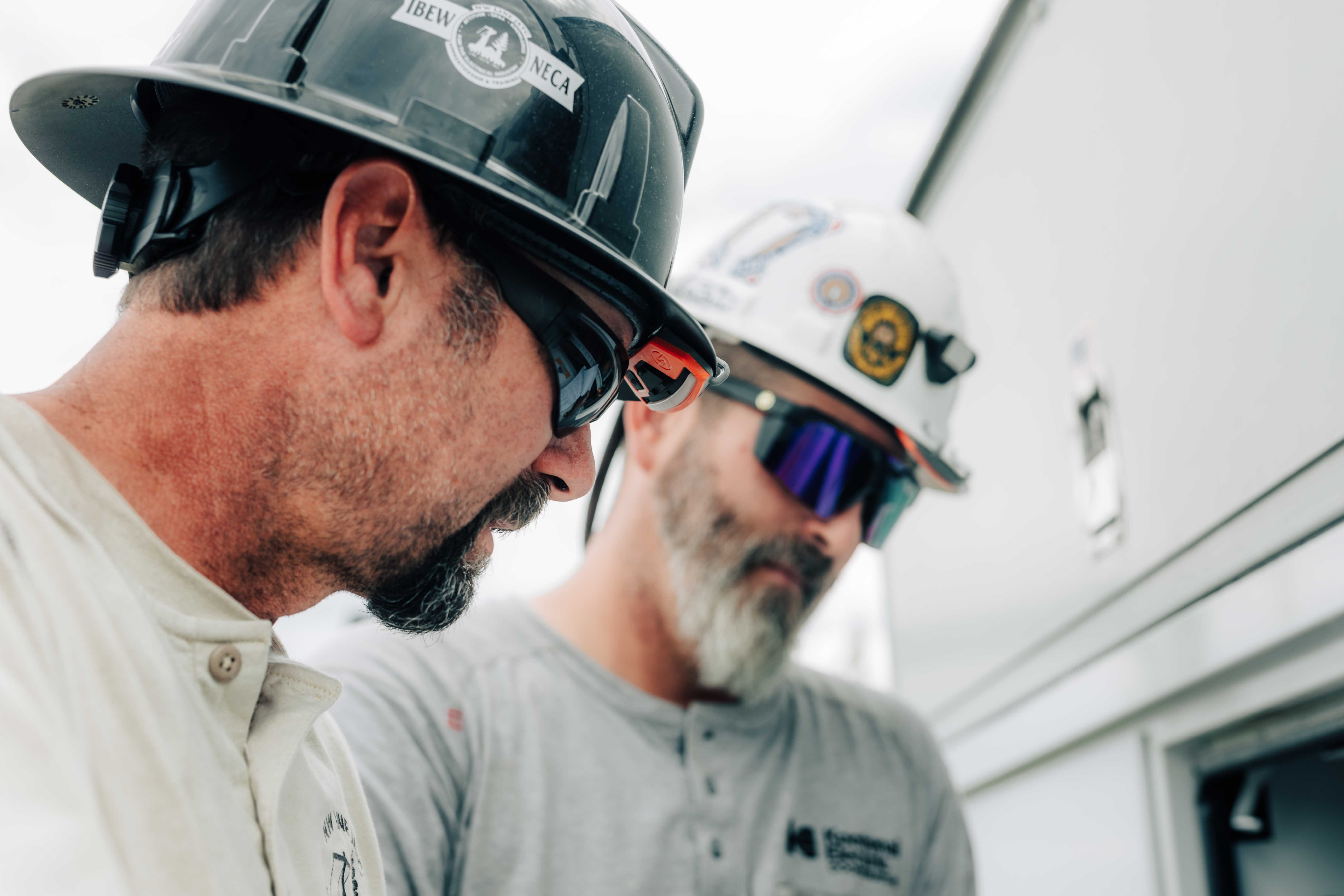 The Compass Series clips to the brim of a hard hat and runs constantly, scanning for the electric and magnetic fields that a live hazard produces, before anyone makes contact. When a threat enters range, it fires visual and audible alerts. The LED light bar sweeps toward the source with directional accuracy. Not just an alarm — a direction. The worker knows where the hazard is and which way to move, or not move.
Smart Adaptive Mode learns the established electrical environment of each job site and filters it out. As the crew works, it builds a baseline of what belongs there: the overhead lines, the nearby equipment, the infrastructure that's always energized. What's left are the alerts that matter.
Visibility at the supervisor level
Before Navigator, a Compass device was powerful but isolated. The worker knew. Nobody else did. If something went wrong, the first signal was still silence. Surveys show 44% of lone workers feel unsafe at times, and the gap between an incident and a supervisor knowing about it is exactly where that feeling lives.
b3b2a53bb5466d0890f9ff0000b1ecf4.png?sfvrsn=0 "Compass Pro Entire Solution (HiRes)") The Navigator Console and Navigator Mobile App give supervisors real-time visibility into every active Compass Pro® device in the field: worker location, device status, battery level, and live detection alerts, all on one screen. When a Compass Pro® detects a fall of 6 feet or more, a head impact above 190g, or an arc flash event, a 30-second countdown begins. If the worker can’t cancel it, an emergency alert fires to the supervisor with GPS location and incident type. The crew lead knows what happened and where before they pick up a phone.
The Navigator Console and Navigator Mobile App give supervisors real-time visibility into every active Compass Pro® device in the field: worker location, device status, battery level, and live detection alerts, all on one screen. When a Compass Pro® detects a fall of 6 feet or more, a head impact above 190g, or an arc flash event, a 30-second countdown begins. If the worker can’t cancel it, an emergency alert fires to the supervisor with GPS location and incident type. The crew lead knows what happened and where before they pick up a phone.

That’s not a feature upgrade. That’s a different kind of safety program.
The Right Device for the Right Risk Profile
The Compass Series has three devices, each matched to a different set of field conditions and risk levels.
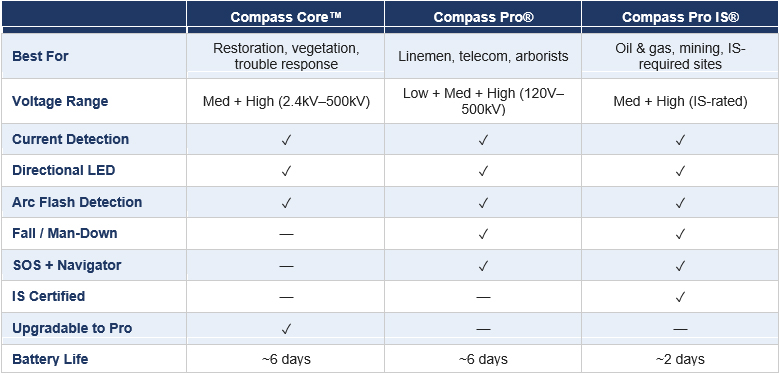
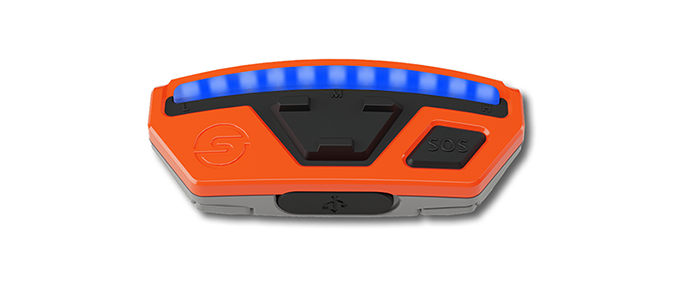 Compass Core™ is built for crews that need solid detection without complexity: restoration teams, vegetation management, trouble responders. The foundational technology at its heart is the same capability John Dvorak relied on that night in Colorado. Voltage sensing, a directional LED that sweeps toward the source, medium and high voltage detection (2.4kV–500kVAC), arc flash detection, IP-67 waterproof rating, and a ~6-day battery in a 0.95 oz clip-on. Turn it on. Work. When your safety program is ready to grow, Compass Core™ has a built-in upgrade path to the full Compass Pro® feature set with no new hardware required.
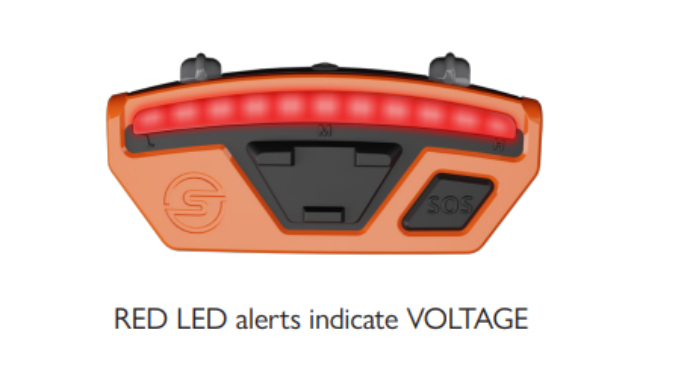 Compass Pro® covers the full voltage spectrum from 120VAC through 500kVAC, and adds the emergency response layer on top: arc flash detection, fall detection, head impact monitoring, man-down sensing, SOS button, 11 sensitivity levels with Smart Adaptive Mode, and full Navigator integration. The right tool for linemen, telecom technicians, arborists, and anyone who works around energized equipment every day.
Compass Pro IS®
Compass Pro IS® puts every capability of Compass Pro® into a device certified intrinsically safe for classified hazardous locations: natural gas sites, oil and gas wellpads, any environment where standard electronics create an ignition risk. Rated Class I, Division I (Group D, T3) with UL, CSA, IEC, and IECEx certifications.
What Happens When the Gap Closes
After that night in Colorado, the regional utility crew didn’t wait for a product presentation. They’d already seen it work. They went out and bought Compass units for their own crews.
That’s the proof that doesn’t show up in a spec sheet. A group of experienced utility workers, in the field, in conditions that push every assumption a safety program makes, and they saw firsthand what changes when detection closes the gap. They didn’t need to be sold. They needed to see it.
Safeguard Equipment now protects more than 100,000 workers worldwide. Utilities like Georgia Power, Xcel Energy, and AEP. Contractors like Quanta, Kiewit, and OSR. Telecom teams at Lumen. They’ve made wearable detection and connected visibility part of how they work: not a trial, not a pilot. The way they work now.
The hazards that hurt workers aren’t always the ones procedures can anticipate. And the gap between when something goes wrong and when a supervisor knows about it is exactly where the worst outcomes happen.
Connect with Saf-T-Gard to Learn More
The gap doesn’t announce itself. That’s precisely why it can’t wait. Ready to close it? Talk to a Saf-T-Gard safety specialist. Industrial safety is our legacy going back nine decades, and electrical safety is our expertise. We’ll walk through your crew’s environments, risk profile, and operational needs, and help you figure out what fits. For an overview of our Safeguard Equipment products, and to order for immediate shipment, please visit Safeguard Equipment.