
Five PPE Program Management Challenges Safety Professionals Face in 2026 (and How to Solve Them)
- Jul 23, 2026, 11:53 AM
-
Managing an effective personal protective equipment (PPE) program has never been more important—or more challenging.
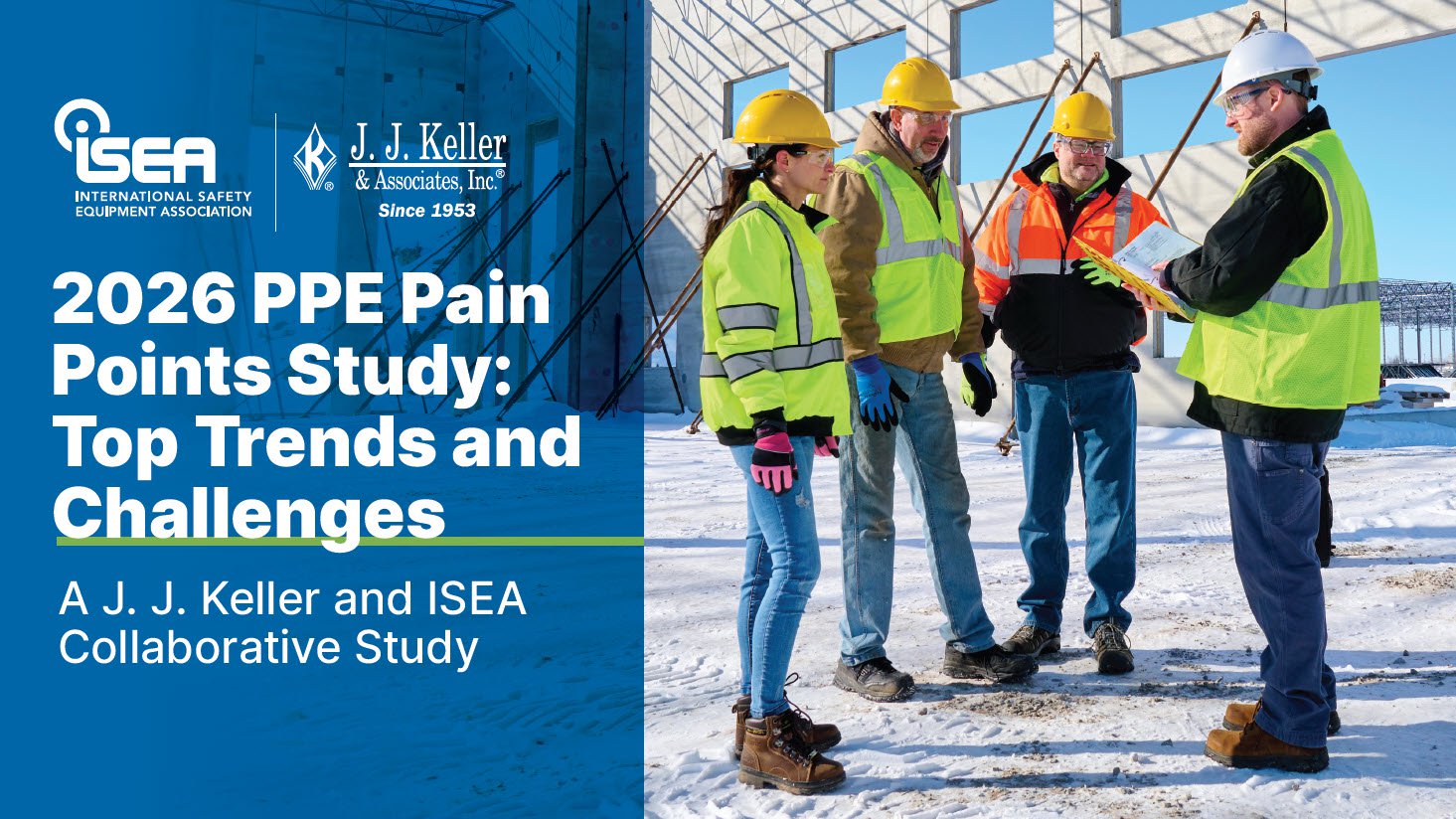
The 2026 PPE Pain Points Study, conducted by the J. J. Keller Center for Market Insights in collaboration with the International Safety Equipment Association (ISEA), confirms what many safety professionals experience every day. While organizations continue making progress in PPE program management, persistent challenges surrounding compliance, comfort, training, fit, and cost continue to impact worker safety and regulatory compliance.
The study also reinforces an important truth: improving PPE compliance requires more than purchasing equipment. It requires selecting the right protection, engaging employees, providing ongoing training, and partnering with experienced safety experts who understand your workplace hazards.
Here's what the research tells us—and what safety leaders can do about it.
1. PPE Compliance Remains the Biggest Workplace Safety Challenge
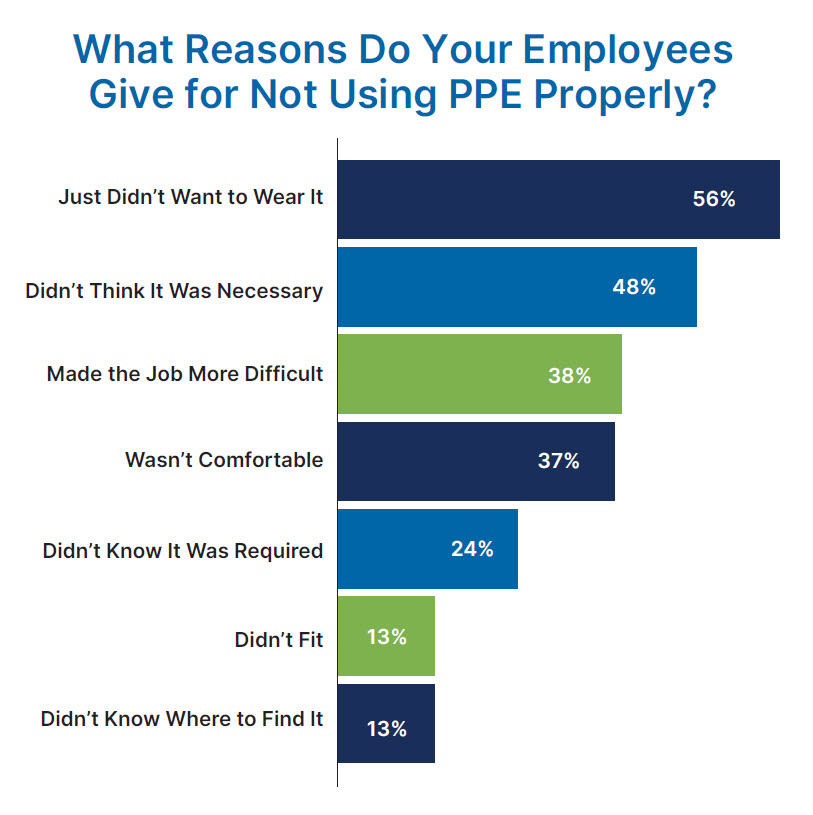 For the fourth consecutive year, respondents identified employee PPE compliance as their number one challenge. More than two-thirds of organizations struggle to get employees to consistently wear required PPE. The most common reasons include:
- Employees don't believe PPE is necessary
- PPE makes the job more difficult
- PPE is uncomfortable
- Workers simply don't want to wear it
These findings demonstrate that compliance is driven as much by employee acceptance as company policy.
How Safety Professionals Can Improve Compliance
Organizations with successful PPE programs focus on:
- Conducting thorough PPE hazard assessments
- Selecting comfortable, task-appropriate PPE
- Involving employees in PPE selection
- Reinforcing PPE requirements through continuous training and communication
2. Proper PPE Fit Is No Longer Optional
Comfort ranked as the most important factor when purchasing PPE—even ahead of cost. Meanwhile, many employers continue reporting difficulty sourcing PPE that properly fits women and workers outside traditional sizing ranges.
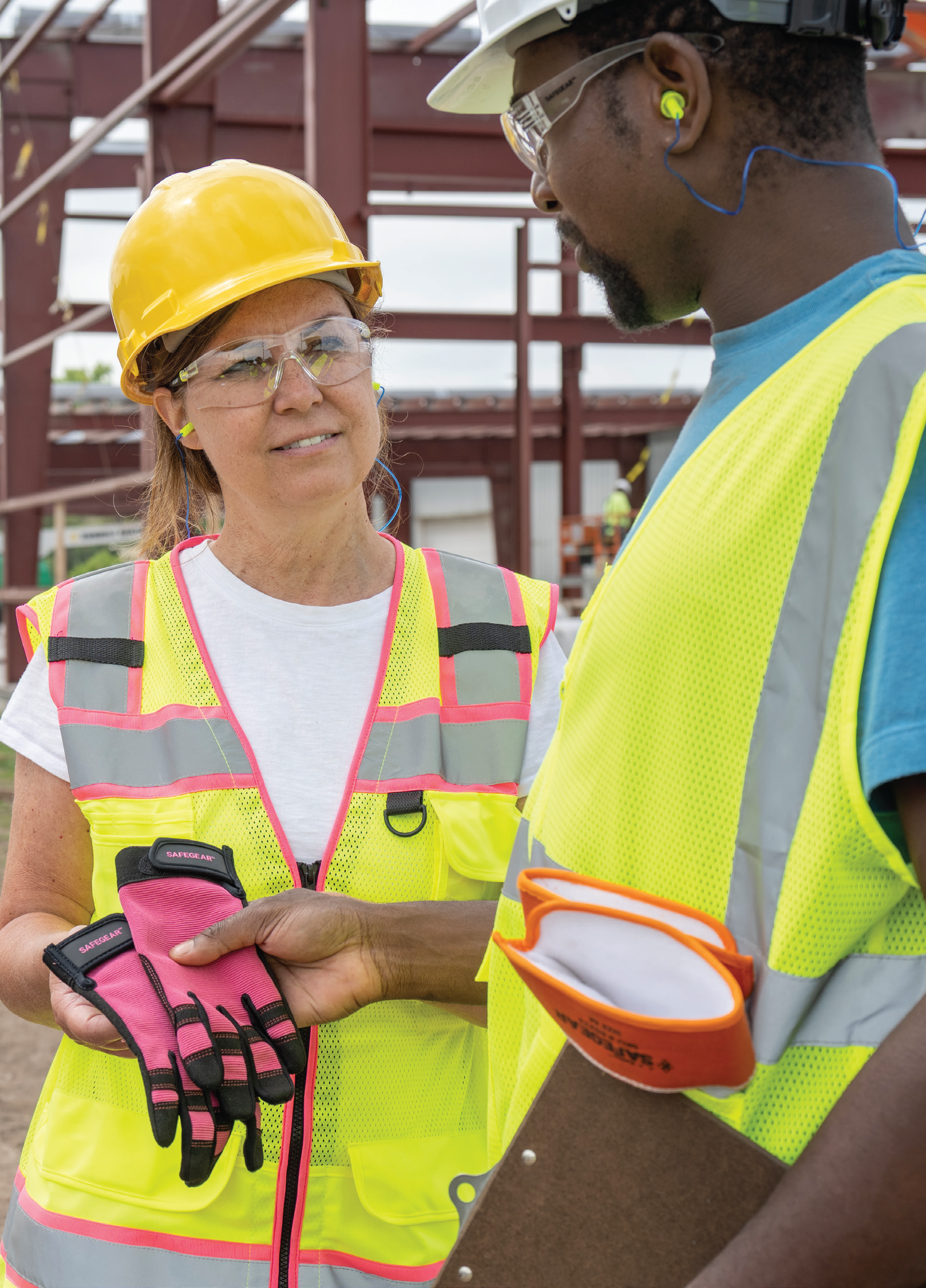 This is especially significant following OSHA's updated PPE requirements emphasizing that employers must provide PPE that properly fits each employee.
Poorly fitting PPE can reduce dexterity, create new hazards, discourage compliance, and ultimately compromise worker protection.
Best Practice
Work with a safety partner that offers multiple manufacturers, extensive sizing options, and product specialists who can recommend PPE based on your specific application—not just product availability.
3. Rising Costs Shouldn't Lead to Lower Protection
Budget pressures continue affecting PPE purchasing decisions. The study found that one in ten organizations has responded to tariffs and rising costs by extending PPE replacement schedules or selecting lower levels of protection.
While understandable, these decisions can increase injury risk and potentially expose employers to OSHA compliance issues.
A Better Approach
Instead of purchasing solely on price, evaluate PPE based on:
- Total cost of ownership
- Product durability
- Worker acceptance
- Compliance with applicable standards
An experienced safety partner can help identify products that maximize performance while helping control long-term costs.
4. PPE Training Needs to Become More Interactive
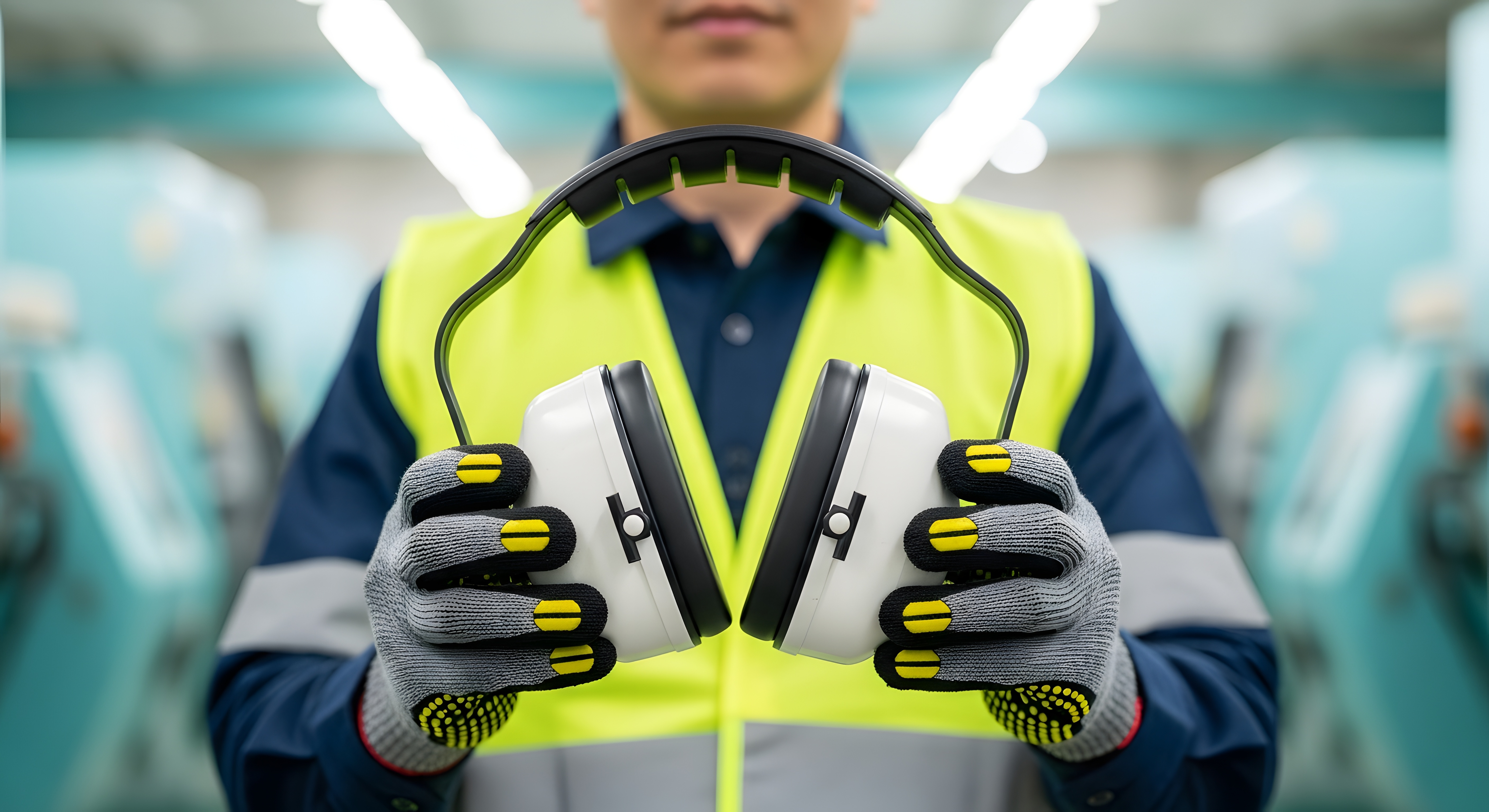 The study found that helping employees understand what PPE is required for specific tasks continues to become more difficult as PPE options expand. Researchers also concluded that training is most effective when employees have opportunities to provide feedback and participate in PPE decisions.
Training shouldn't end after orientation.
Regular refresher training, equipment demonstrations, toolbox talks, and open conversations about PPE challenges help improve both understanding and long-term compliance.
Saf-T-Gard supports customers with product expertise, safety education, and specialized training designed to help employees understand not only what PPE to wear—but why it matters.
5. Building a Strong Safety Culture Requires More Than PPE
 One of the study's strongest takeaways is that organizations still have opportunities to strengthen their overall safety culture. Less than half involve employees in PPE selection, and many report inconsistent accountability when PPE policies aren't followed.
Successful organizations recognize that PPE is only one component of an effective safety system.
The strongest programs combine:
- Leadership commitment
- Employee involvement
- Regular hazard assessments
- Ongoing training
- Consistent PPE evaluations
- Continuous program improvement
When these elements work together, PPE becomes more than equipment—it becomes part of the organization's culture.
Partner with Safety Experts Who Understand Your Challenges
The findings from the 2026 PPE Pain Points Study make one thing clear: today's safety professionals need more than a PPE supplier. They need a knowledgeable partner who understands workplace hazards, OSHA requirements, PPE selection, employee training, and long-term program management.
Connect with Saf-T-Gard to Learn More
For nearly 90 years, Saf-T-Gard has helped organizations build stronger workplace safety programs by delivering comprehensive industrial safety solutions—from head-to-toe PPE and facility safety products to electrical testing, training, compliance support, and technical expertise.
Our mission has remained the same since 1936: Bringing Workers Home Safely.
Whether you're improving PPE compliance, evaluating new products, strengthening your safety culture, or preparing for evolving OSHA requirements, Saf-T-Gard is ready to help you build a safer workplace. For more information, visit SAF-T-GARD.
Big Things are Coming
This marks our final blog article before the launch of the all-new Saf-T-Gard website later this year. As we celebrate our 90th anniversary, we’re building a better online experience with new features, enhanced resources, and easier access to the industrial safety products and expertise you rely on. We’ll be back soon with fresh content and new insights. Until then, thank you for reading – and stay tuned for what’s next!