
American Heart Month: Be Prepared to Save a Life with High-Quality CPR and AEDs
- Feb 13, 2026, 01:36 PM
-

American Heart Month History
February is American Heart Month, a nationwide observance that spotlights cardiovascular disease and the need for more lifesavers. From the first CPR training in 1960 to today’s Nation of Lifesavers movement, American Heart Month has always been about action. In the early ’60s, AHA‑supported scientists proved that combining breaths with chest compressions could restart a heart—launching modern CPR and doubling or even tripling survival for cardiac arrest. In 1964, President Lyndon B. Johnson proclaimed February American Heart Month, turning the fight against heart disease into a national priority. With CPR formally endorsed soon after and public education campaigns on heart attack signs taking off in the ’70s, American Heart Month became a rallying point to help more people recognize emergencies, respond quickly, and save lives.
Why the Need?
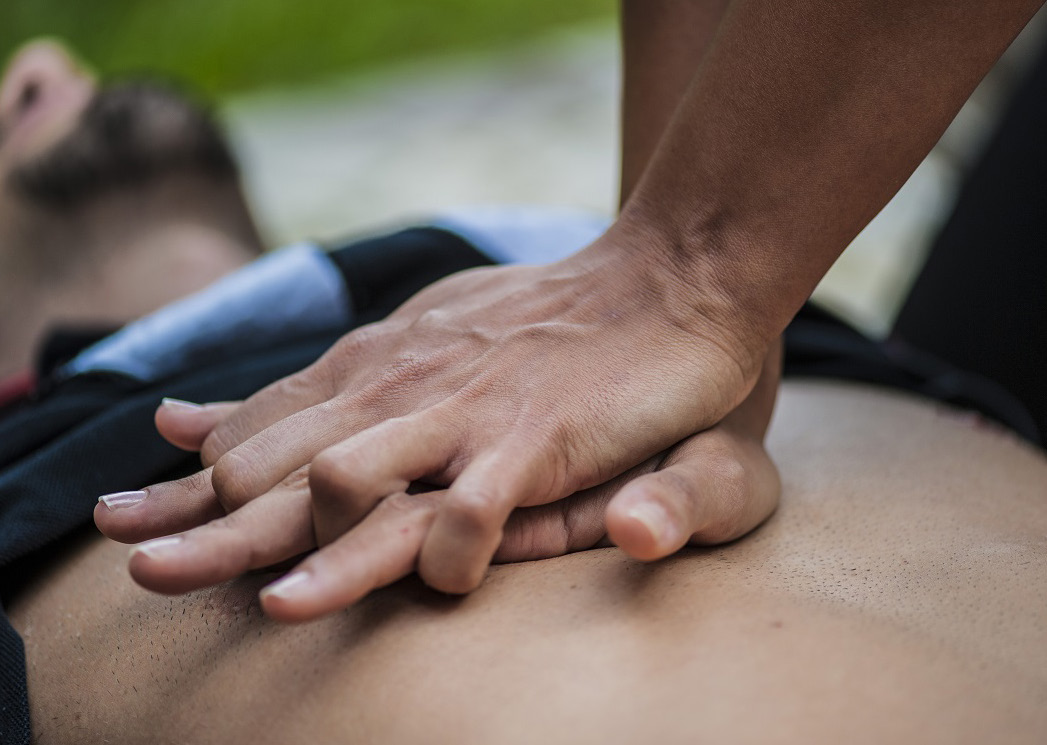 Cardiac arrest is a leading cause of death in the world. Each year, more than 350,000 cardiac arrests occur outside of the hospital in the United States –and 90% of these are fatal. Moreover, Approximately 10,000 sudden cardiac arrests occur in the workplace in the United States each year, according to data from the American Heart Association (AHA) and the Occupational Safety and Health Administration (OSHA). These events account for about 13% of all workplace fatalities.
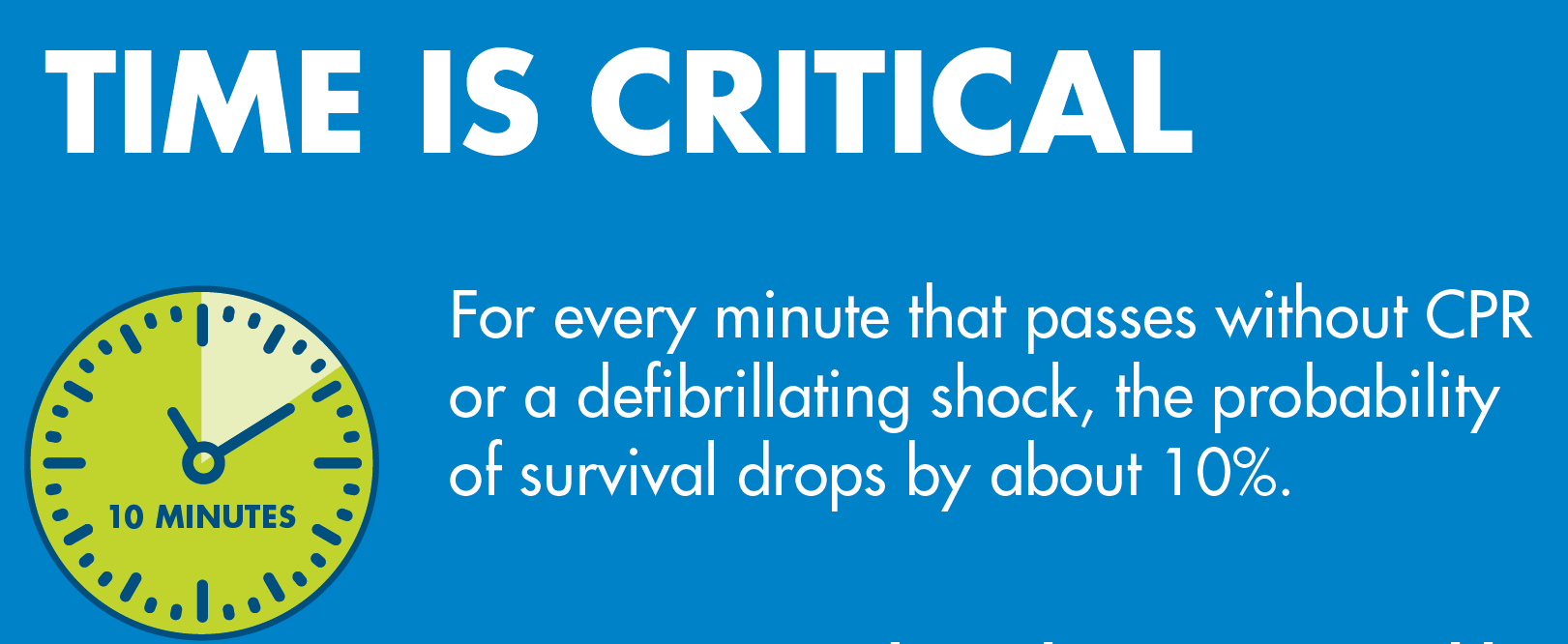
When someone suffers sudden cardiac arrest (SCA), they fall to the floor and need immediate life-saving support. Without immediate intervention, survival rates are low (5–7%). For every minute that passes without CPR, an SCA victim’s chance of survival drops by 7-10%. Using an Automated External Defibrillator (AED) within the first 3 minutes can raise survival rates to nearly 95%. A victim’s best chance of survival is CPR and use of an AED as soon as possible.
CPR Alone Can Make A Difference
Start chest compressions immediately. Even without an AED, high-quality CPR radically improves the chances of survival from cardiac arrest. The probability of survival drops by only 4% every minute if you continue delivering high-quality CPR.
With high-quality CPR, after 10 minutes, the chances of survival increase to 60%, even without an AED.
 CPR Circulates Blood to the Brain
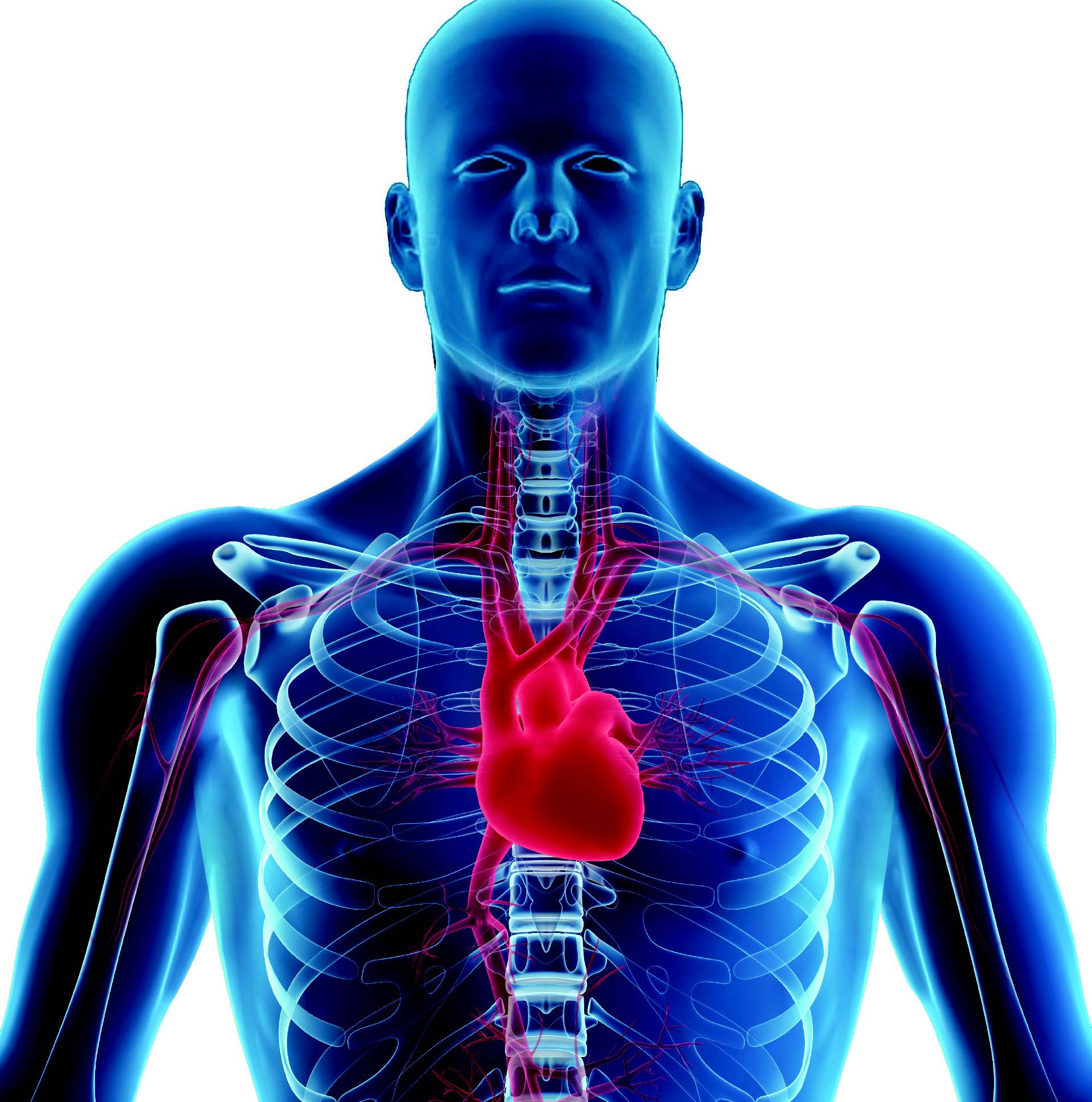
By circulating blood, CPR helps preserve the brain and other vital organs. It can also play a significant role in the survivor’s quality of life post-recovery.
CPR Moves Blood through the Heart to the Heart
CPR moves blood through the heart, which is critical immediately following a defibrillating shock.
A shock does not restart the heart — it stuns it. This enables the heart’s own electrical pacemakers to reorganize and restore a natural heartbeat.
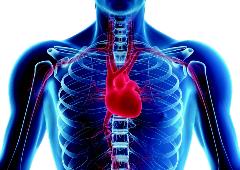 As the heart’s electrical system reorganizes, the heart struggles for blood. By moving oxygenated blood through the heart, CPR provides critical help to the heart muscle and reduces the potential for damage.
CPR Evacuates Blood from the Enlarged Heart
After four minutes without CPR, the arteries have quit, but the veins continue delivering blood to the heart. This enlarges the heart’s volume by about 50% — which makes a shock ineffective because the heart is too full of blood to resume pumping. Chest compressions are critical at this point as they can restore the heart’s normal volume and enable a shock to work. After four minutes, a cardiac arrest victim will always require CPR before a shock is delivered.
If Your AED Says:
NO SHOCK ADVISED - An AED will advise a shock only if it detects a shockable heart rhythm, and CPR is critical to establishing a shockable rhythm. Without high-quality CPR, the likelihood of a successful shock is greatly diminished.
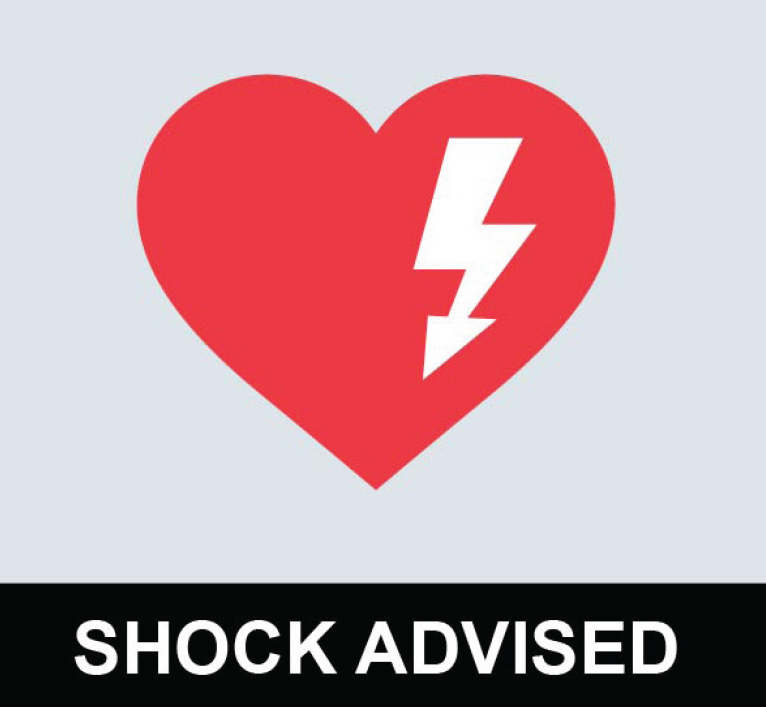
SHOCK ADVISED - If the AED detects a shockable rhythm, it will provide a defibrillating shock. This stops the abnormal electrical activity and allows the heart the chance to resume a normal rhythm. CPR will still be needed to help the heart recover, so it is important to resume compressions after the shock is delivered.
To Perform Hands-Only, High-Quality CPR:
- Push hard and fast in the center of the victim’s chest
- Maintain a compression depth of 2 to 2.4 inches
- Allow full recoil of the chest between compressions
- Perform 100 to 120 compressions per minute
- Administer continuous CPR with minimal interruptions (pauses >10 seconds if possible)
Any CPR is better than no CPR, but aim for high-quality CPR.
Connect with Saf-T-Gard to Learn More
 This year’s American Heart Month focuses on building a nation of lifesavers and empowering you to be the first responder until help arrives. Sudden cardiac arrest can happen anywhere, anytime. When it does, we can help make sure you are prepared. Industrial safety is our legacy going back 9 decades. Saf-T-Gard offers a wide variety of ZOLL AED Plus® fully-automatic options. Only ZOLL’s AED Plus® is equipped with Real CPR Help® technology, giving the rescuer real-time feedback on the depth and rate of chest compressions during CPR developed to meet the recommended guidelines of the AHA and ERC. For an overview of our ZOLL AEDs, and to order for immediate shipment, please visit ZOLL.