
Why Your New Workers Are Your Biggest Electrical Risk Right Now
- Jun 12, 2026, 02:41 PM
-
This blog article is part two of an ongoing series for utility and telecom safety professionals. Click here to read part one, “Before Contact: Closing the Detection Gap in Utility and Telecom Safety.”
A veteran lineman steps out of the truck and reads the site before the tailgate meeting starts. He's cataloging things he can't name: the way a conductor is sitting, a piece of equipment that doesn't look right, a configuration he's seen go wrong before. Twenty years of pattern recognition, running in the background, constant.
The worker next to him, hired eight months ago, trained properly, doing everything right, doesn't have that yet. He can't. You can't teach it in a classroom, and you can't compress twenty years into eight months.
That's not a training problem. It's a math problem.
The Numbers Every Safety Manager Already Knows
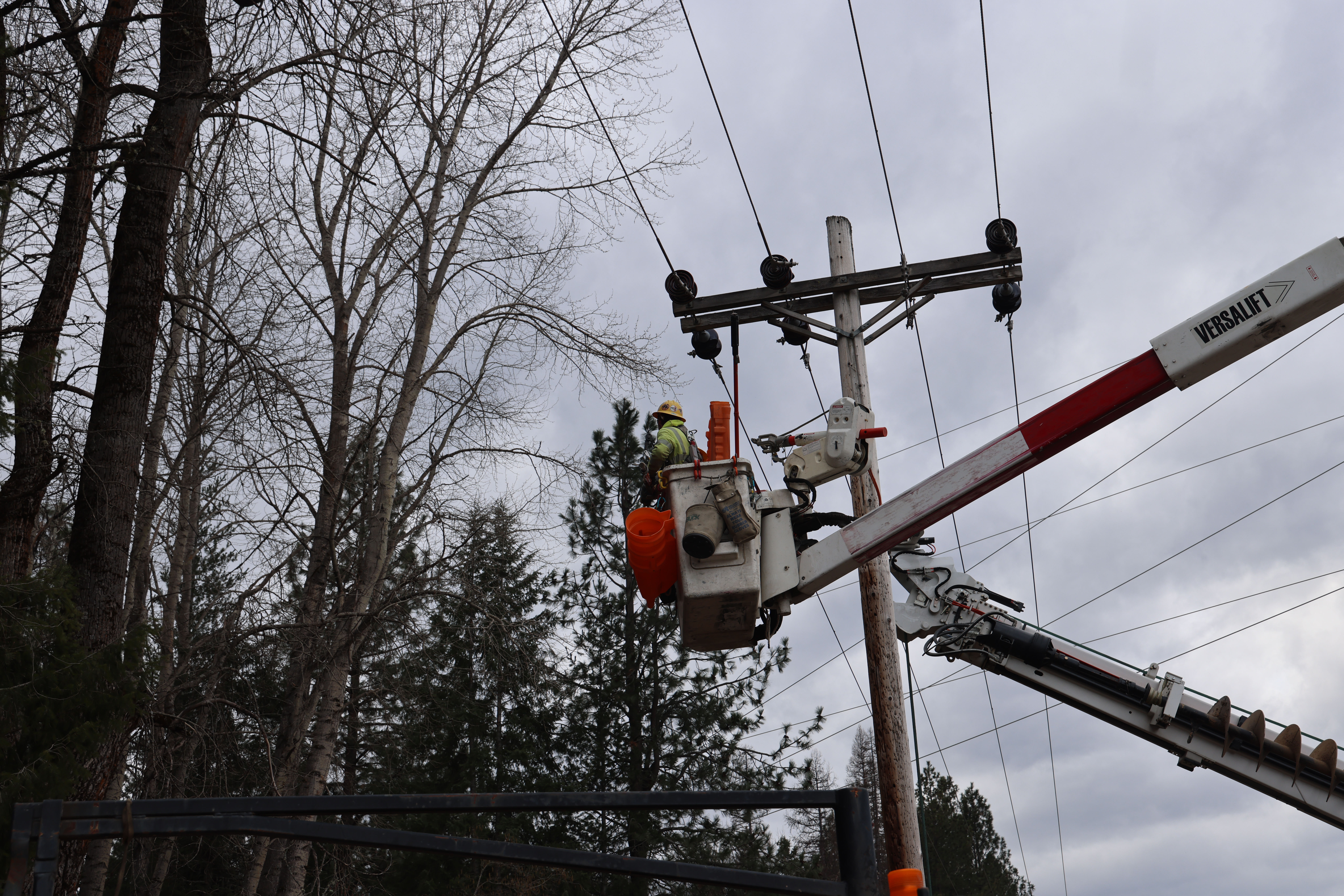 The utility industry is in the middle of a workforce transition unlike anything it has seen in generations. Retirements have been accelerating for years. The electrical workforce is younger and less experienced than it has been in decades. And the pace of new hiring isn't slowing down. Infrastructure build-out, grid hardening, and telecom expansion are adding new crews and workers at a rate that outpaces the development of field judgment.
The Electrical Safety Foundation International reports that lineworkers face an electrical fatality rate 60 to 70 times higher than the average American worker. That number has been stable for years. It hasn't moved, even as training programs have improved, safety programs have matured, and personal protective equipment (PPE) has gotten better.
The fatality rate tells you something training can't solve. It tells you the hazard exposure is simply that high. Much of what keeps experienced workers safe isn't classroom knowledge. It's accumulated situational awareness. It's knowing what looks wrong.
When a large portion of your crew doesn't have that yet, the exposure doesn't wait.
What Experience Actually Does
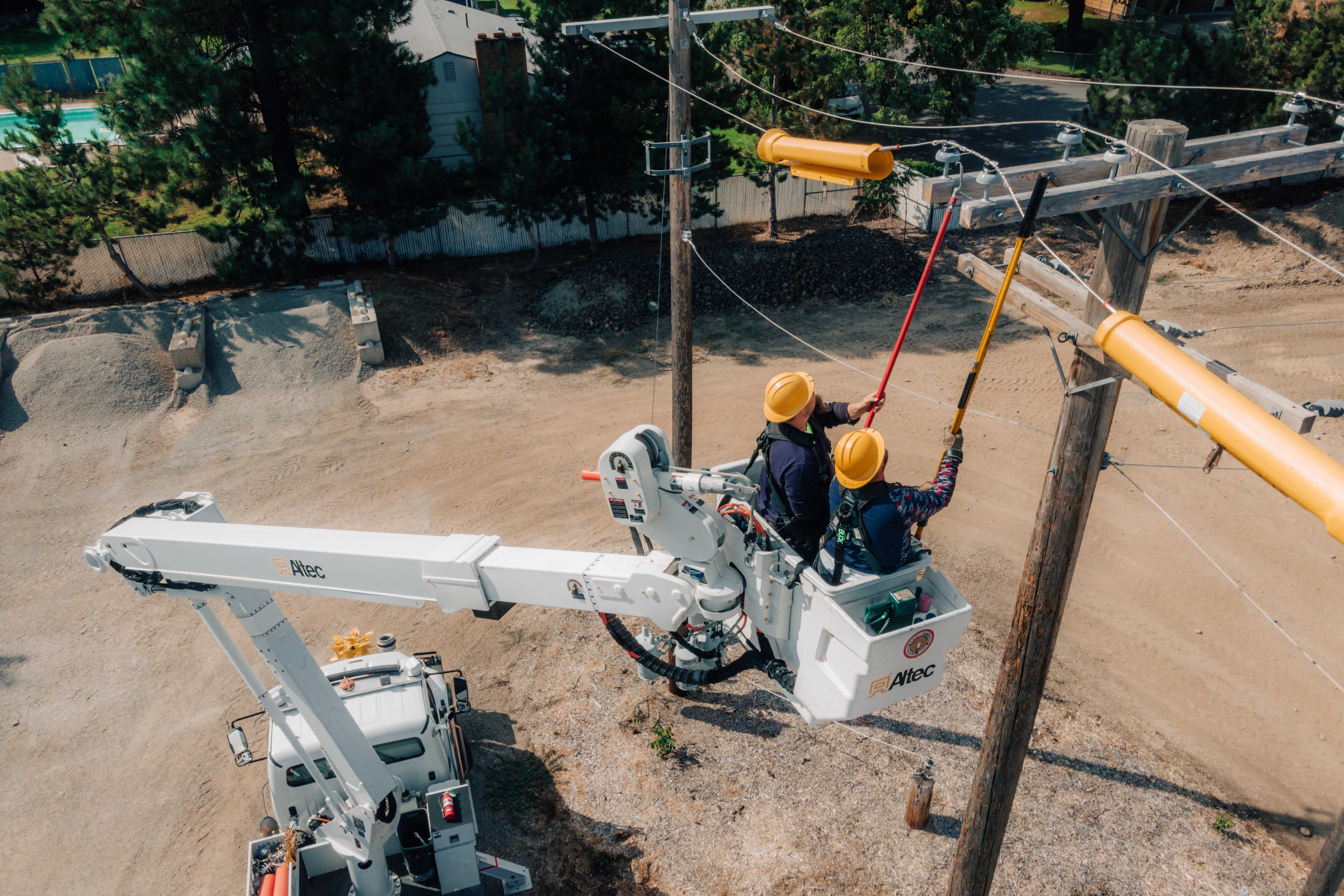 The industry's protection model is built on a critical assumption: that workers can recognize the hazard before they're in contact with it. Rubber insulating gloves. Arc flash clothing. Established approach distances. All of it activates at the point of work, and all of it works best when the worker already knows where the hazard is.
Experience is the mechanism that fills in the gap before that.
A veteran lineman has seen induced voltage on a line everyone assumed was de-energized. He's seen backfeed from an unexpected source. He's seen a downed conductor buried in vegetation that looked like nothing. He adjusts his approach accordingly, often without consciously thinking about it.
A new worker follows procedure. That's the right thing to do. But procedure is a floor, not a ceiling. It assumes the hazard is where it's expected to be. Electrical hazards are not always where they're expected to be.
The gap between what procedure covers and what experience fills in is exactly where newer workers are most exposed.
This Is Structural, Not Temporary
Here is what makes this problem different from a training challenge: it doesn't resolve quickly, and it doesn't resolve just by hiring better.
Experience takes time. A lineman with five years in the field has a materially different hazard-recognition profile than one with two years. That gap doesn't close with better onboarding. It closes with time, repetition, and surviving the moments that teach you something.
Workforces that lean heavily on newer workers carry elevated risk. Not because those workers are less capable. They're not. They're following the rules, wearing the gear, doing what they were taught. But the hazard exposure doesn't know how many years they've been in the field.
The question is not whether safety programs should be better. They should always be getting better. The question is what protects newer workers in the time it takes for field experience to develop, and what gives supervisors visibility into where the risk is concentrated on their crew right now.
What Wearable Detection Changes
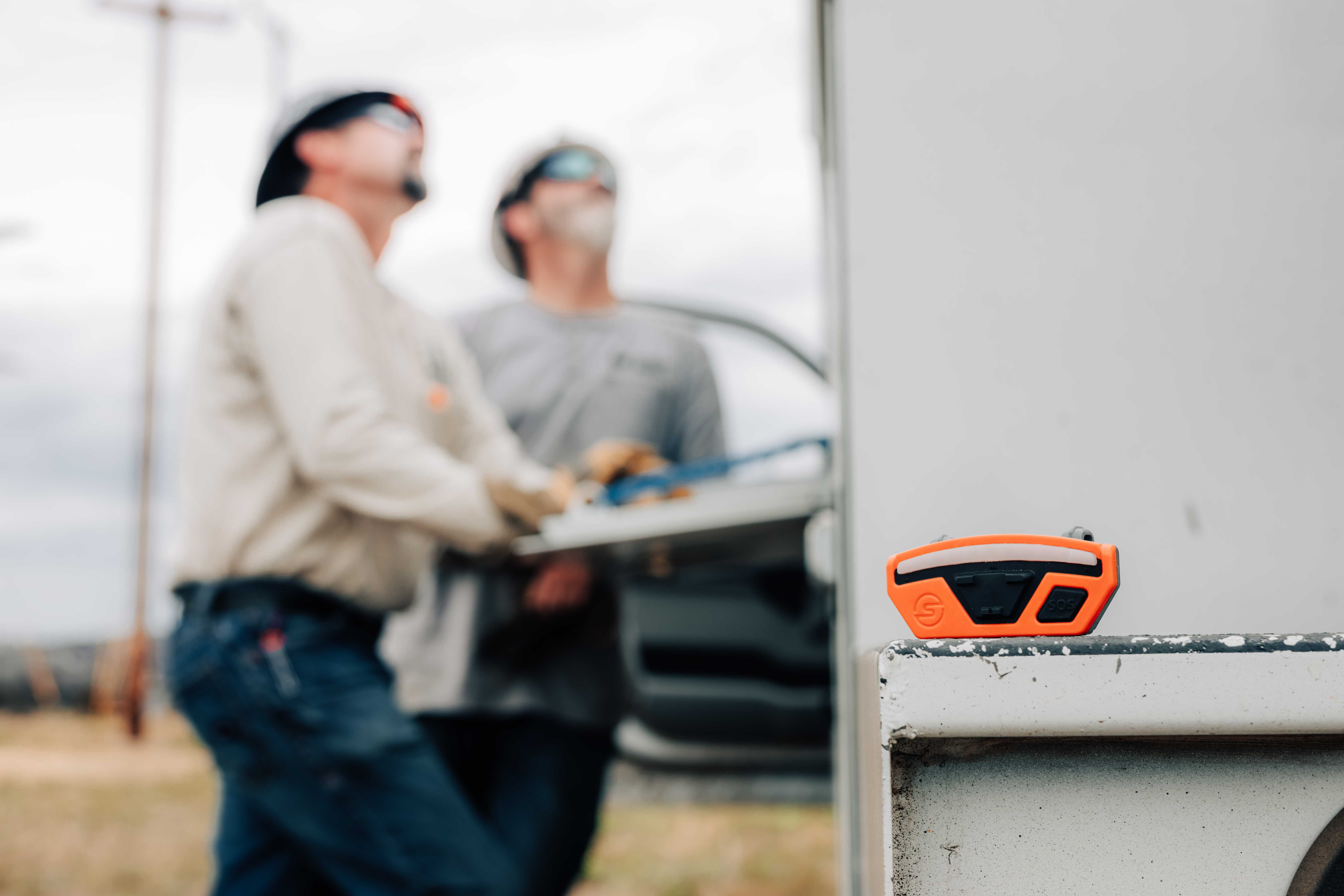 The Compass Series doesn't replace experience. Nothing does. What it does is give newer workers the same baseline information that experience eventually teaches a veteran to anticipate: that there is an electrical hazard nearby, and here is the direction it's coming from.
The Compass Core clips to the brim of a hard hat and runs constantly. It scans for the electric and magnetic fields a live hazard produces before anyone makes contact. When a threat enters range, it fires audible and visual alerts. The directional LED sweeps toward the source with plus or minus 20 degrees of accuracy. The worker doesn't need to have seen a buried conductor in vegetation before to know something is wrong. The device tells him.
That is the gap between what procedure covers and what experience fills in. Bridged with hardware.
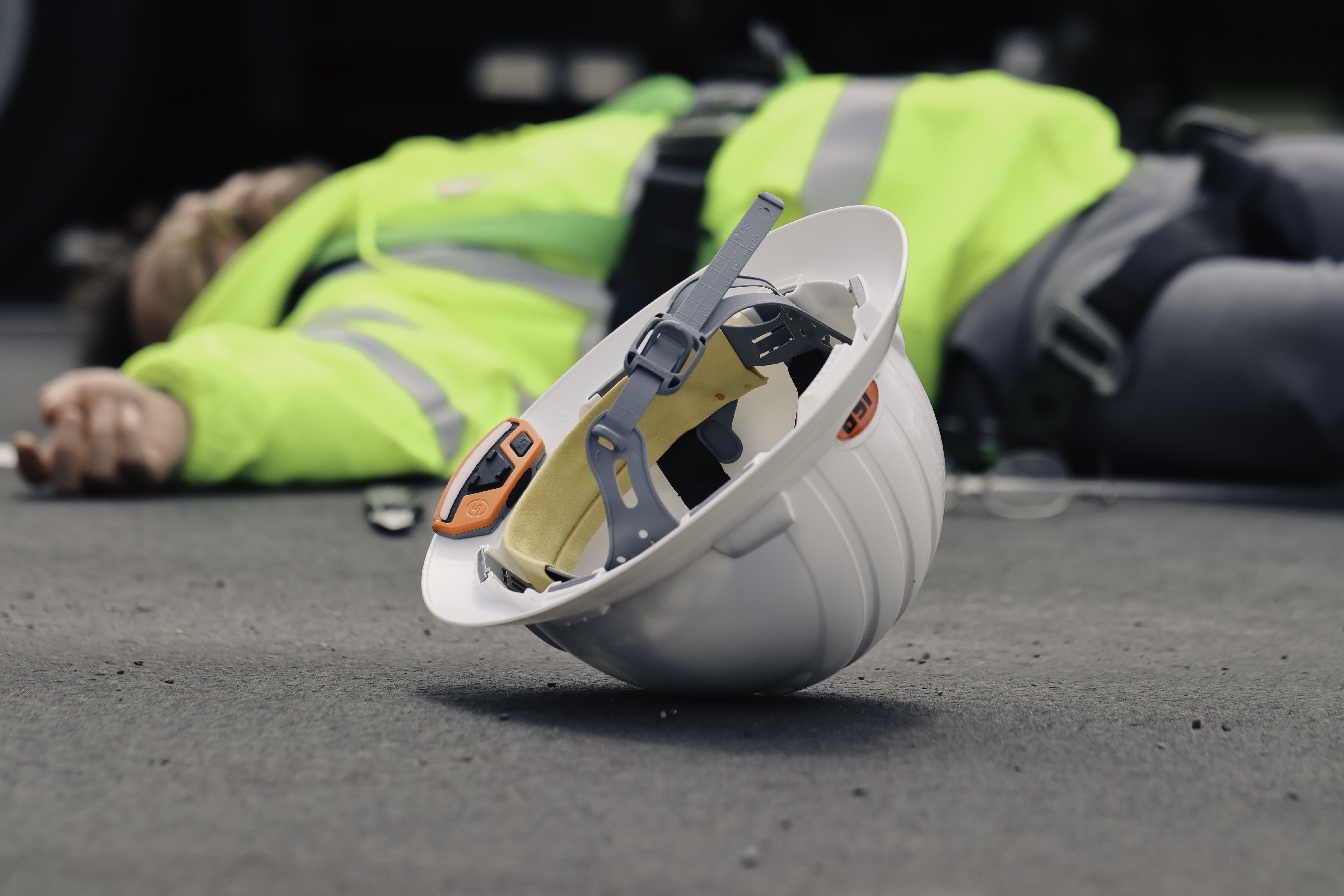
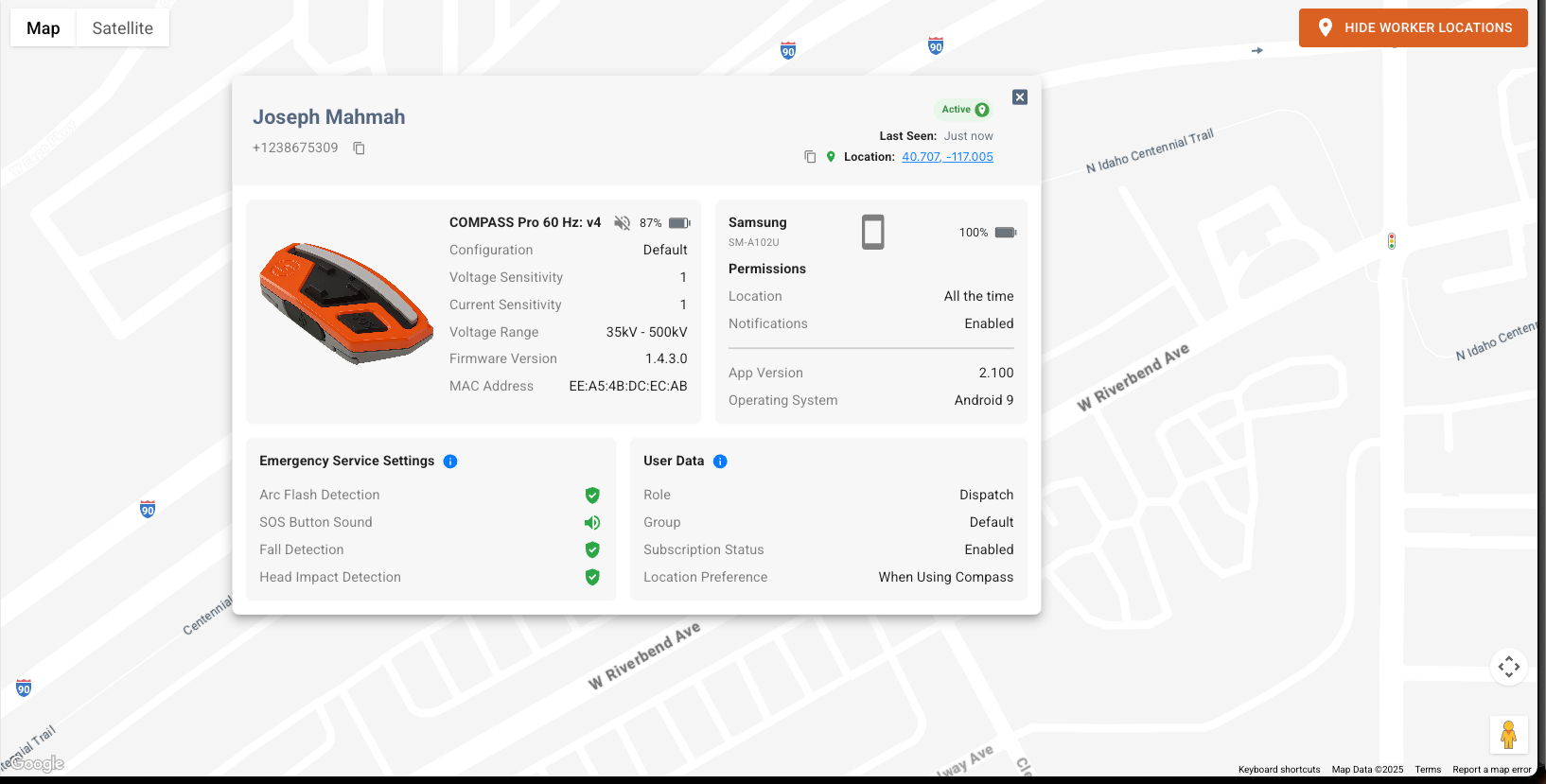 For crews where the Compass Pro is deployed, the supervisor gains something that wasn't available before either: real-time visibility into what workers are detecting in the field. Through the Navigator platform, a crew lead can see live device status, worker location, and active detection alerts on a single screen. When a Compass Pro detects a fall, a head impact, or a man-down event, an automatic emergency alert fires with GPS coordinates before anyone makes a phone call.
For a safety manager whose experienced crew is aging out and whose newer workers haven't built full situational awareness yet, that visibility isn't a convenience. It's a different way of managing exposure.
Building the Program While the Workforce Builds Experience
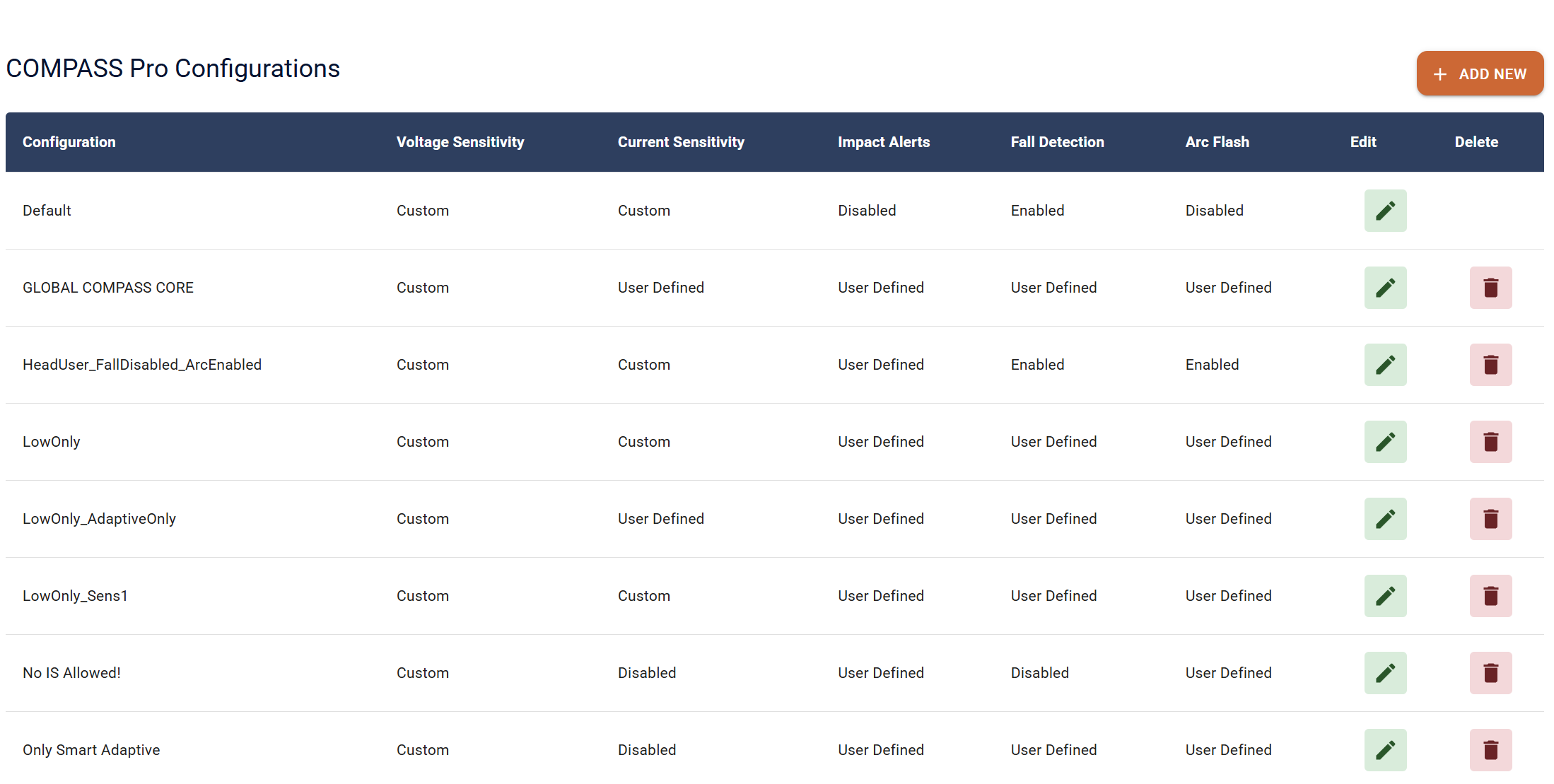 The Compass Series is designed to scale as your safety program grows. Compass Core is the right starting point for crews that need detection now without adding operational complexity. It deploys fast, runs simply, and gives every worker on the site the hazard awareness that experience hasn't yet provided.
When the program is ready for connected visibility, the Core platform includes a built-in upgrade path to Compass Pro: full emergency response capability, Navigator integration, and supervisor-level situational awareness. No new hardware required. The investment scales forward.
The workforce will keep turning over. The infrastructure build-out isn't slowing down. The workers you're hiring today are going to be doing this work before they've had time to see everything once.