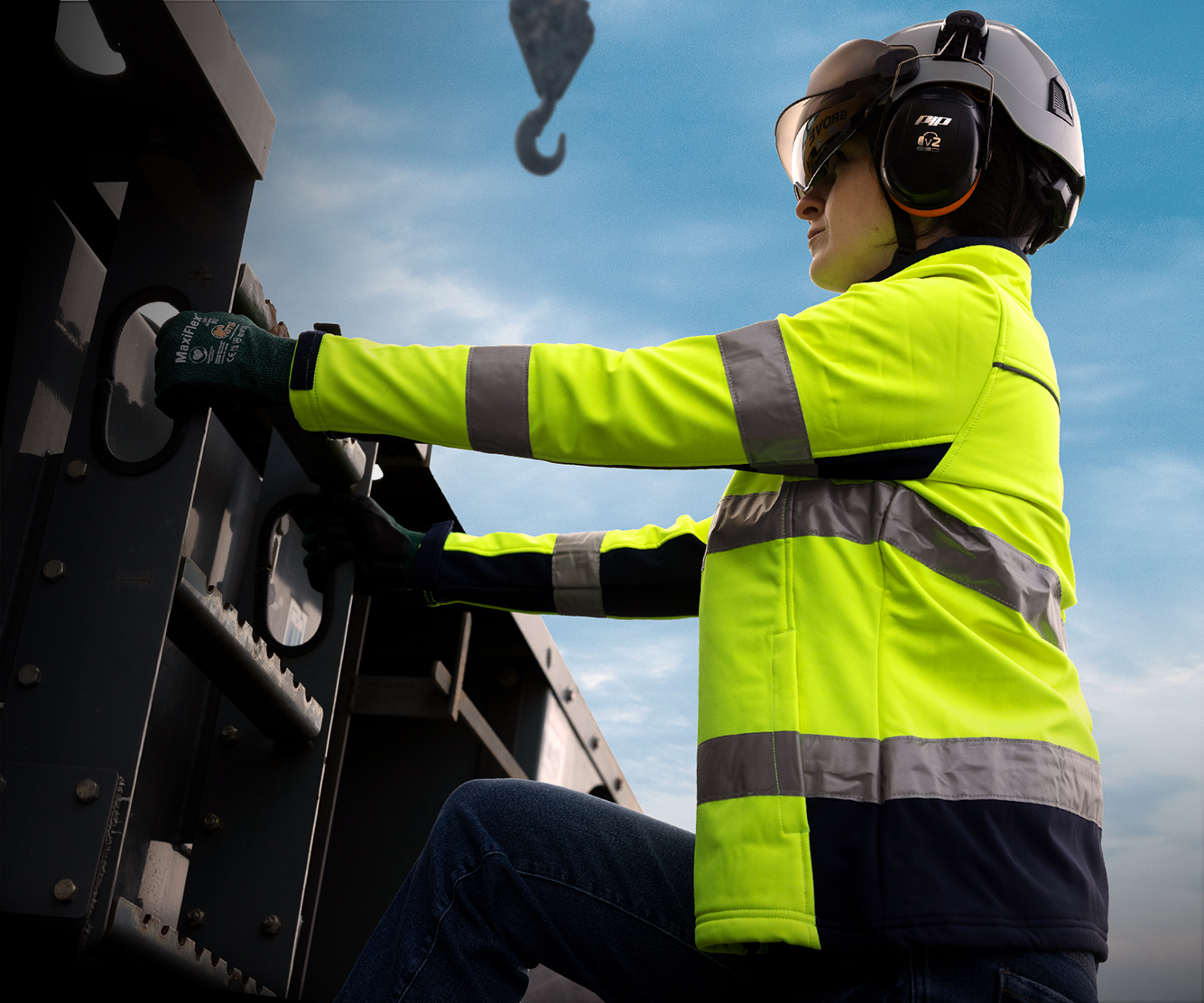
Selecting the right Hi-Viz multi-season workwear can feel like an arduous task given the overwhelming amount of options available. Read on to discover the critical factors and key elements for consideration to help simplify the process and better protect your workers!
Full story
The site navigation utilizes arrow, enter, escape, and space bar key commands. Left and right arrows move across top level links and expand / close menus in sub levels. Up and Down arrows will open main level menus and toggle through sub tier links. Enter and space open menus and escape closes them as well. Tab will move on to the next part of the site rather than go through menu items.
-
- Jun 14, 2023, 12:03 AM
-

-
- May 24, 2023, 12:05 AM
-

How Do You Know if Energized Lines and Equipment are Safe?
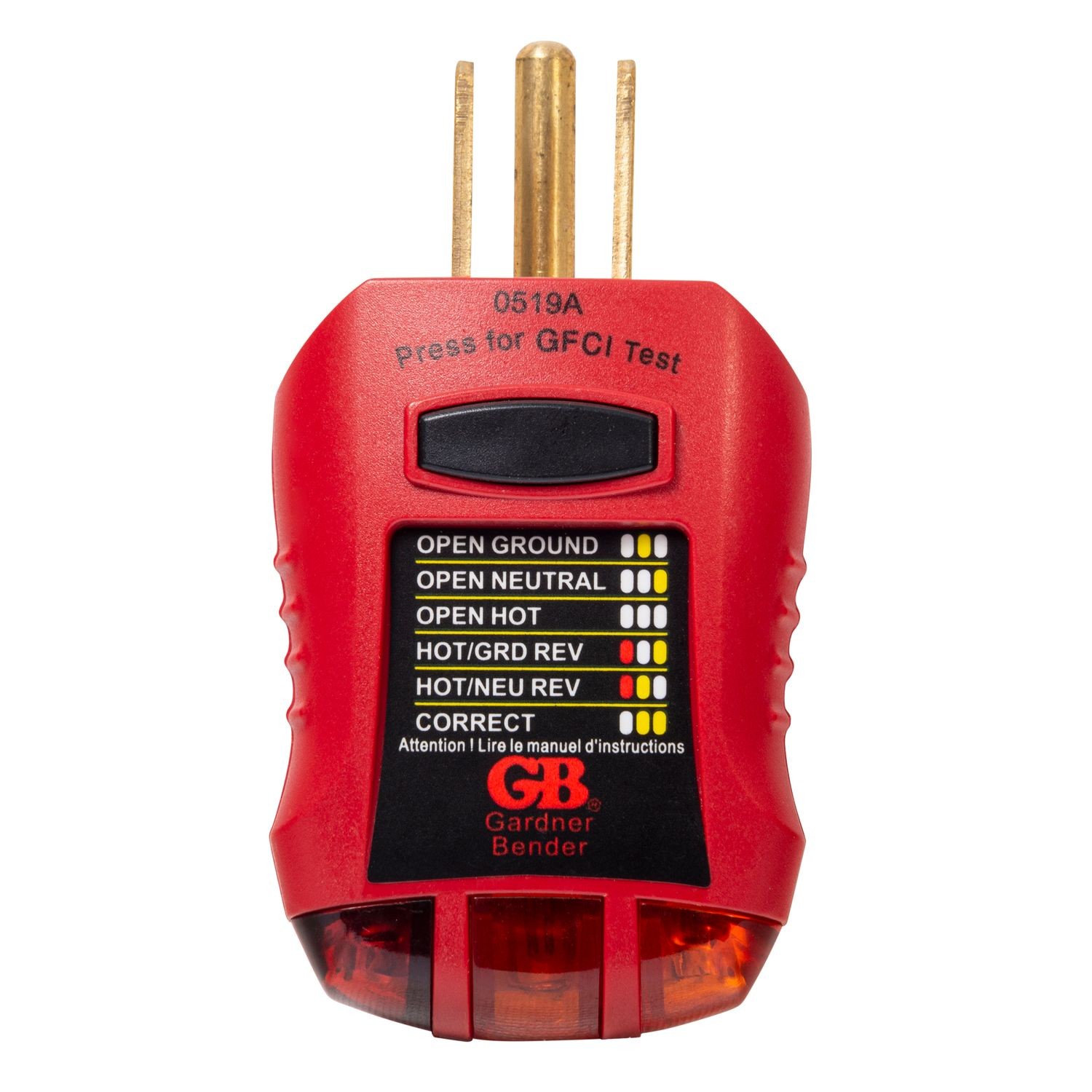
How Do You Know if Energized Lines and Equipment are Safe?
We are surrounded by electricity. The exposure could be relatively low voltage in residential and industrial settings. Or the exposure could be even greater in the case of work near high voltage power lines, including repairing storm damage. Knowing whether the lines and equipment are energized is crucial. Read more to learn how to detect energized lines and equipment.
Full story -
- May 3, 2023, 12:03 PM
-

How to Promote Fall Safety Awareness During the National Safety Stand-Down
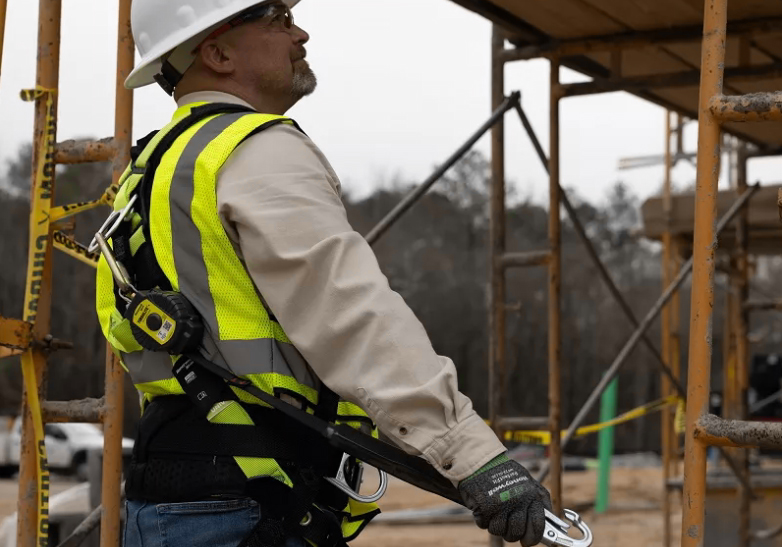
How to Promote Fall Safety Awareness During the National Safety Stand-Down
There is no one way to conduct a stand-down, so you can really choose a mix of activities that are pertinent to your workplace and employees. The stand-down can also include discussions of near-misses or actual incidents to help employees learn from past mistakes and take steps to prevent them from reoccurring.
Full story -
- Apr 17, 2023, 01:24 PM
-

What to Expect from OSHA’s National Emphasis Program on Outdoor & Indoor Heat Hazards
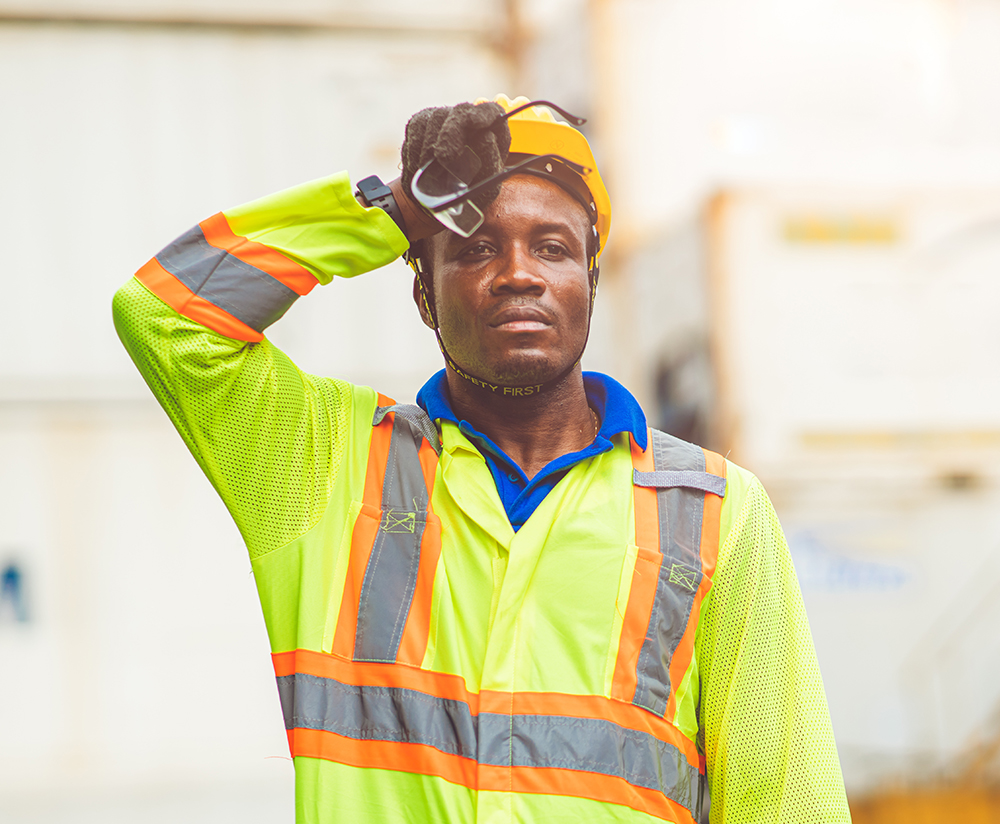
What to Expect from OSHA’s National Emphasis Program on Outdoor & Indoor Heat Hazards
If your occupation involves working in high heat, it’s important for you and your employer to be aware of the environmental conditions and take the necessary steps outlined in the current OSHA National Emphasis Program on Outdoor and Indoor Heat Hazards.
Full story -
- Mar 29, 2023, 12:38 PM
-
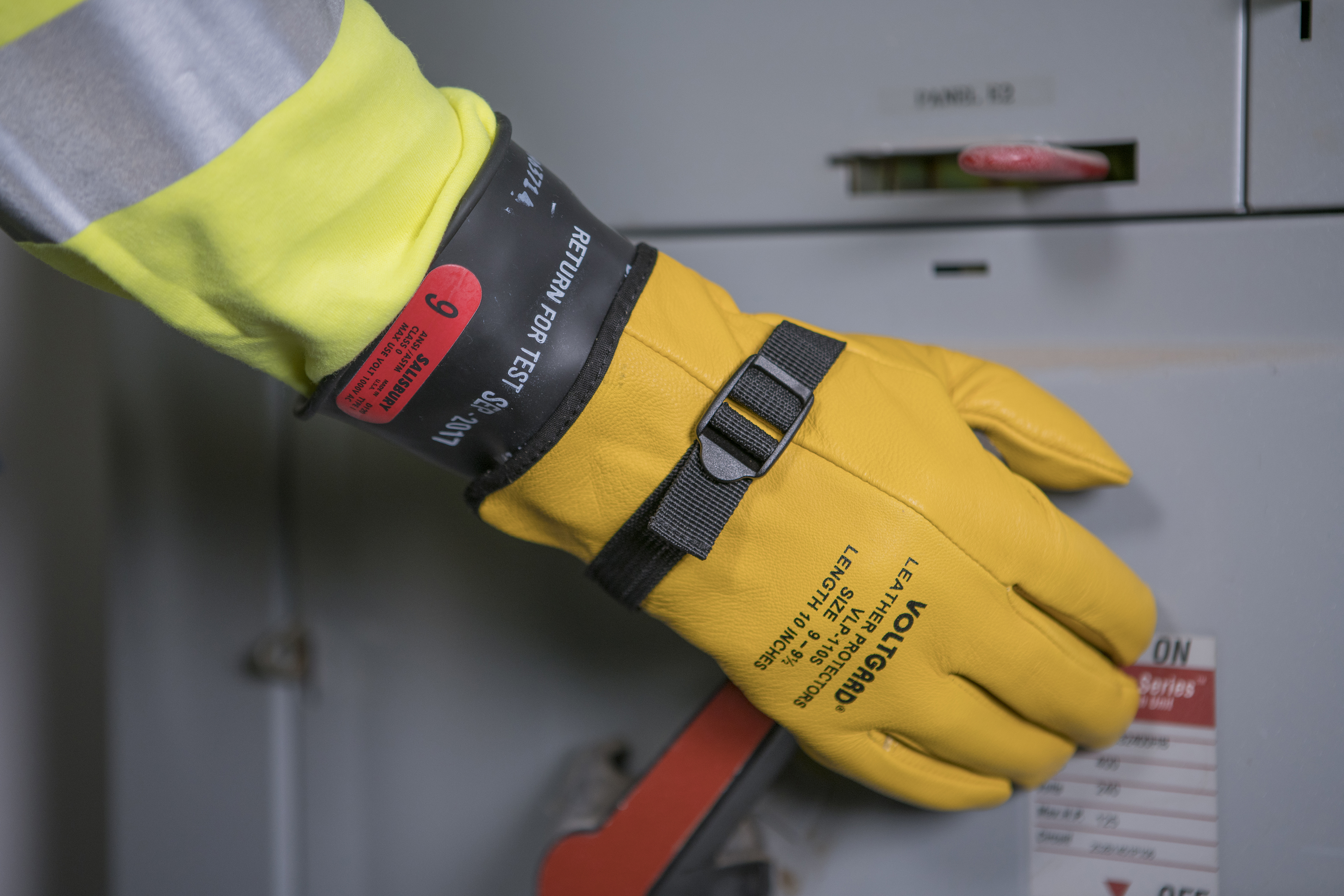
How to Better Protect Your Industrial Workers against Arc Flash & Electrical Incidents with Electrical Gloves
How to Better Protect Your Industrial Workers against Arc Flash & Electrical Incidents with Electrical Gloves
Industrial workers today are surrounded by potential arc flash and electrical hazards which have the power to cause serious harm. Employers and facility owners should establish safe work practices to protect their workers against arc flash and electrical incidents including the use of personal protective equipment (PPE) such as rubber insulating gloves and leather protector gloves to ensure safety, compliance, and cost savings.
Full story -
- Mar 8, 2023, 01:25 PM
-
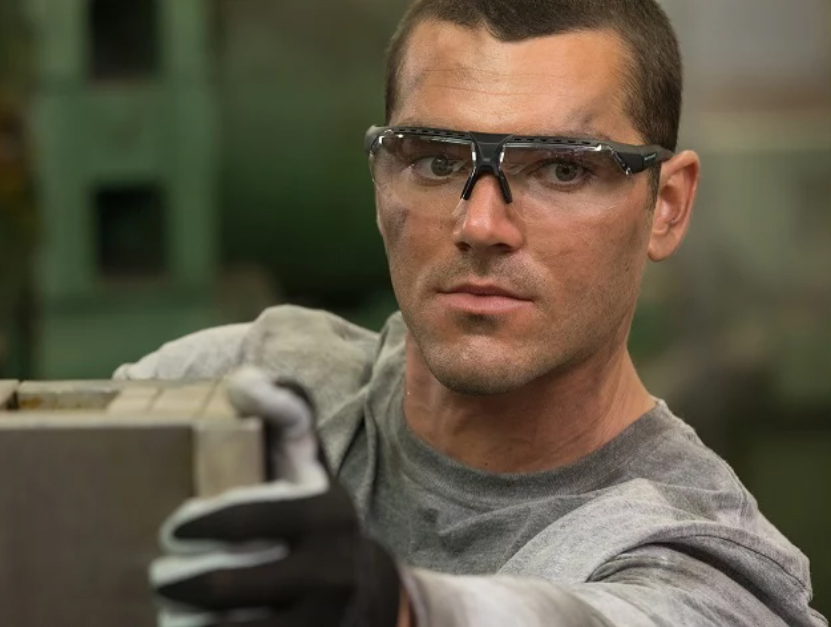
March is Workplace Eye Wellness Month
March is Workplace Eye Wellness Month
Thousands of people are blinded, injured, or killed each year from occupational accidents that could have been prevented or minimized if appropriate PPE had been used. Learn more.
Full story -
- Feb 15, 2023, 10:24 AM
-
-logo5d44a23bb5466d0890f9ff0000b1ecf4.jpg?sfvrsn=0)
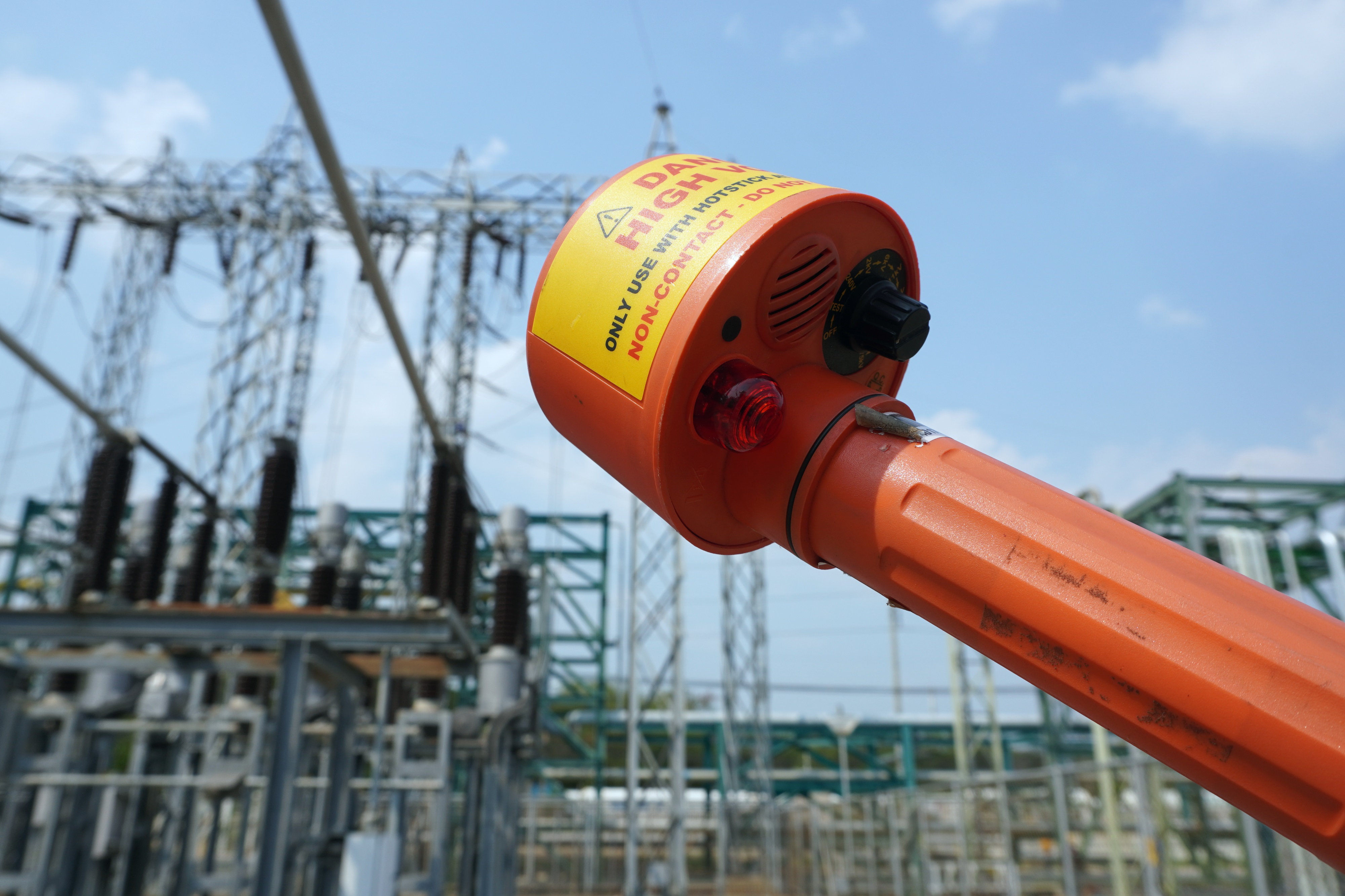
Voltage Detectors - Why are they useful? Which industries can benefit? And more!
Voltage Detectors - Why are they useful? Which industries can benefit? And more!
As more facets of our daily life rely on electricity, the risk of electric shock not only increases but spreads to workers in industries that traditionally may not have faced electrical hazards on a regular basis. Along with increased electrification, the use of DC (Direct Current) power is also on the rise, as renewable energy and electric vehicle (EV) demand continues to grow.
Full story -
- Jan 26, 2023, 02:06 PM
-
How to Select Cut-Resistant Gloves

How to Select Cut-Resistant Gloves
Industrial hand protection, or work gloves, are now designed to provide predictable and quantifiable levels of hazard protection, often incorporating new materials and technology. Understanding these test methods and classifications are important considerations when selecting industrial gloves.
Full story -
- Jan 4, 2023, 12:01 AM
-

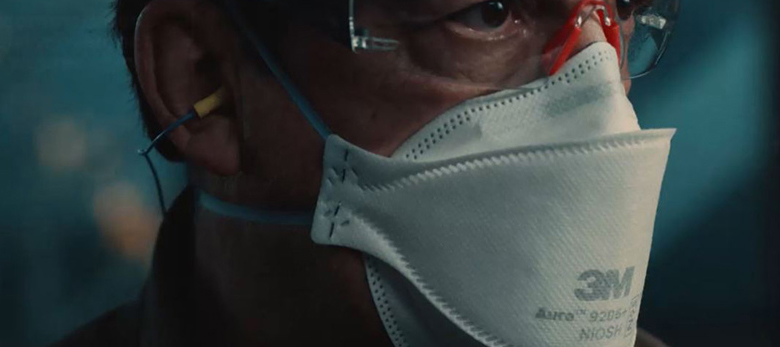
A Few Quality Considerations When Selecting Respiratory Protection Products
A Few Quality Considerations When Selecting Respiratory Protection Products
No matter what the design features are, respiratory protection can't fulfill its intended purpose if it isn't built to last. Read on to discover the recommended quality considerations that should also be taken into account when choosing respiratory protection products for your desired application.
Full story -
- Dec 7, 2022, 12:10 AM
-

Ice Cleats: When Do You Need to Use Them and How to Select the Right Ones for Your Application
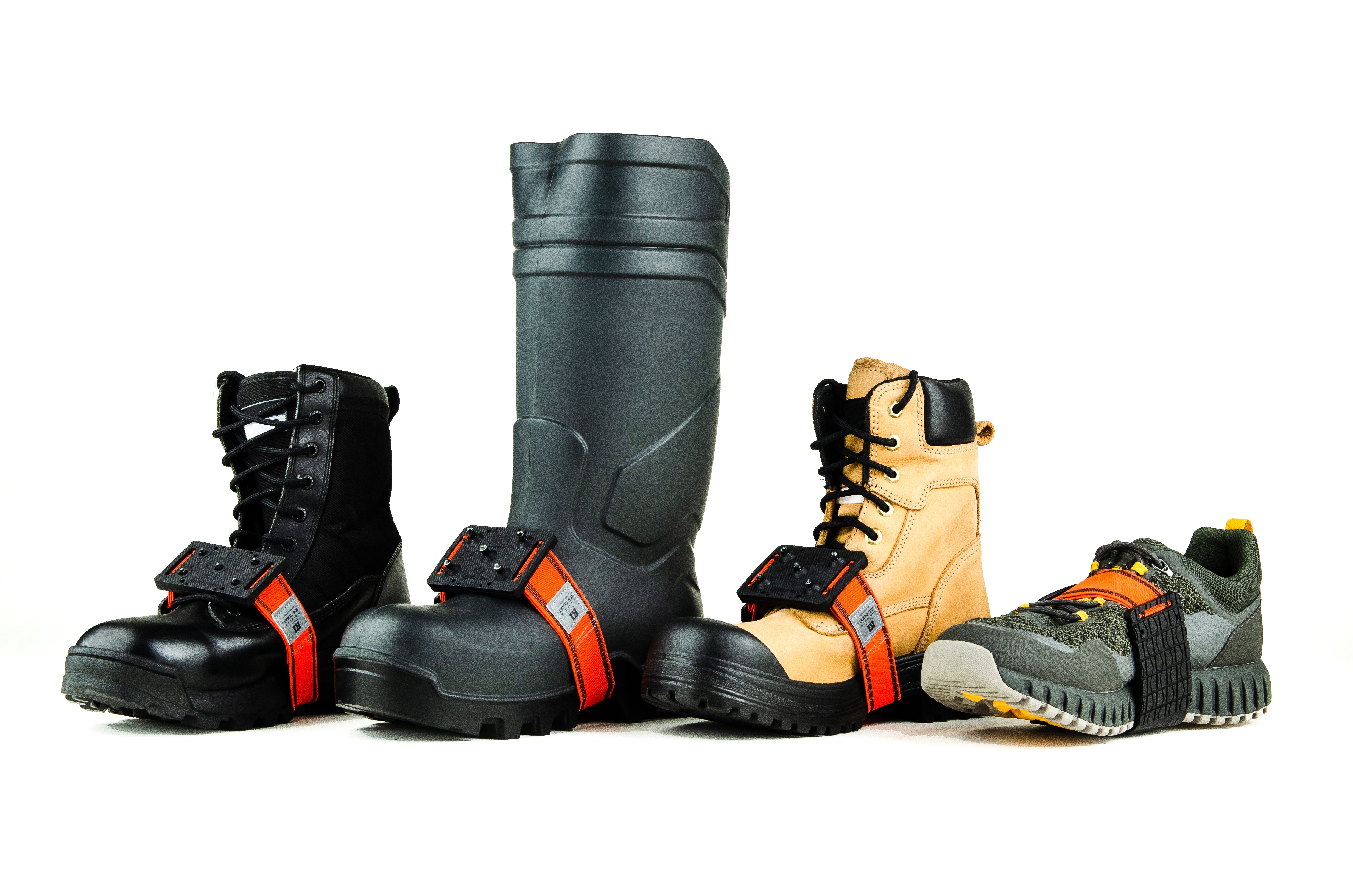
Ice Cleats: When Do You Need to Use Them and How to Select the Right Ones for Your Application
Winter slips and falls are prevalent problems in nearly every industry and there are also many industries that have slippery indoor conditions as well. Additionally, there are workers that are working both indoors and outdoors where wearing studs can cause a serious slip hazard or damage to surfaces. With so many ice cleat versions on the market today it can be overwhelming to decide which one is best for you. Here we break down the different solutions for every work environment.
Full story -
- Nov 16, 2022, 12:01 AM
-

Electrical Safety Gear - How is it Critical to Lineman?

Electrical Safety Gear - How is it Critical to Lineman?
Helping companies keep their workers protected on the job and ensuring they come home safely each day is a core value of Honeywell and the Salisbury brand.
Full story -
- Oct 26, 2022, 01:46 PM
-
Safety Products for a Diverse Workforce

Safety Products for a Diverse Workforce
The images and composition of the workforce have changed since the iconic lumberjack, miner, steel worker, or even “Rosie-the-riveter.” Just as no two humans are exactly alike (not even identical twins), no two workers are exactly alike needing exactly the same PPE for fit, function, and protection. For a diverse workforce, diversity in PPE is needed as well.
Full story -
- Oct 6, 2022, 12:35 AM
-
A Logical Advancement in Head Protection

A Logical Advancement in Head Protection
Learn the origins of the hard hat and how it has evolved to help prevent head injuries by directly addressing on-the-job worker safety needs.
Full story -
- Sep 14, 2022, 07:56 AM
-
Ten Considerations when Selecting Respiratory Protection
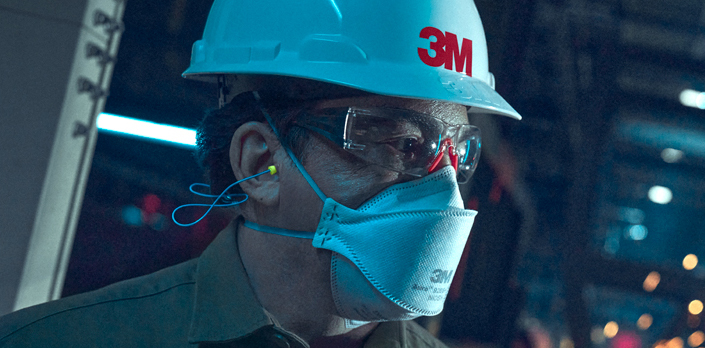
Ten Considerations when Selecting Respiratory Protection
When choosing respiratory protection in the United States, there is a lot to consider. Help simplify the process and feel confident with this expert advice from 3M.
Full story -
- Aug 17, 2022, 01:00 AM
-

New ANSI 2021 Standards Take Effect 10/15, Are You Ready?

New ANSI 2021 Standards Take Effect 10/15, Are You Ready?
The ANSI 2021 standard includes several updates from the ANSI 2015 standard for both Class A and Class B kits. Here is what you need to know to upgrade your kits and cabinets by the October 15, 2022 deadline.
Full story -
- Jul 27, 2022, 10:29 AM
-

What are Some Dangers of Lithium-Ion Batteries in Electric Vehicle (EV) Service and Manufacture?
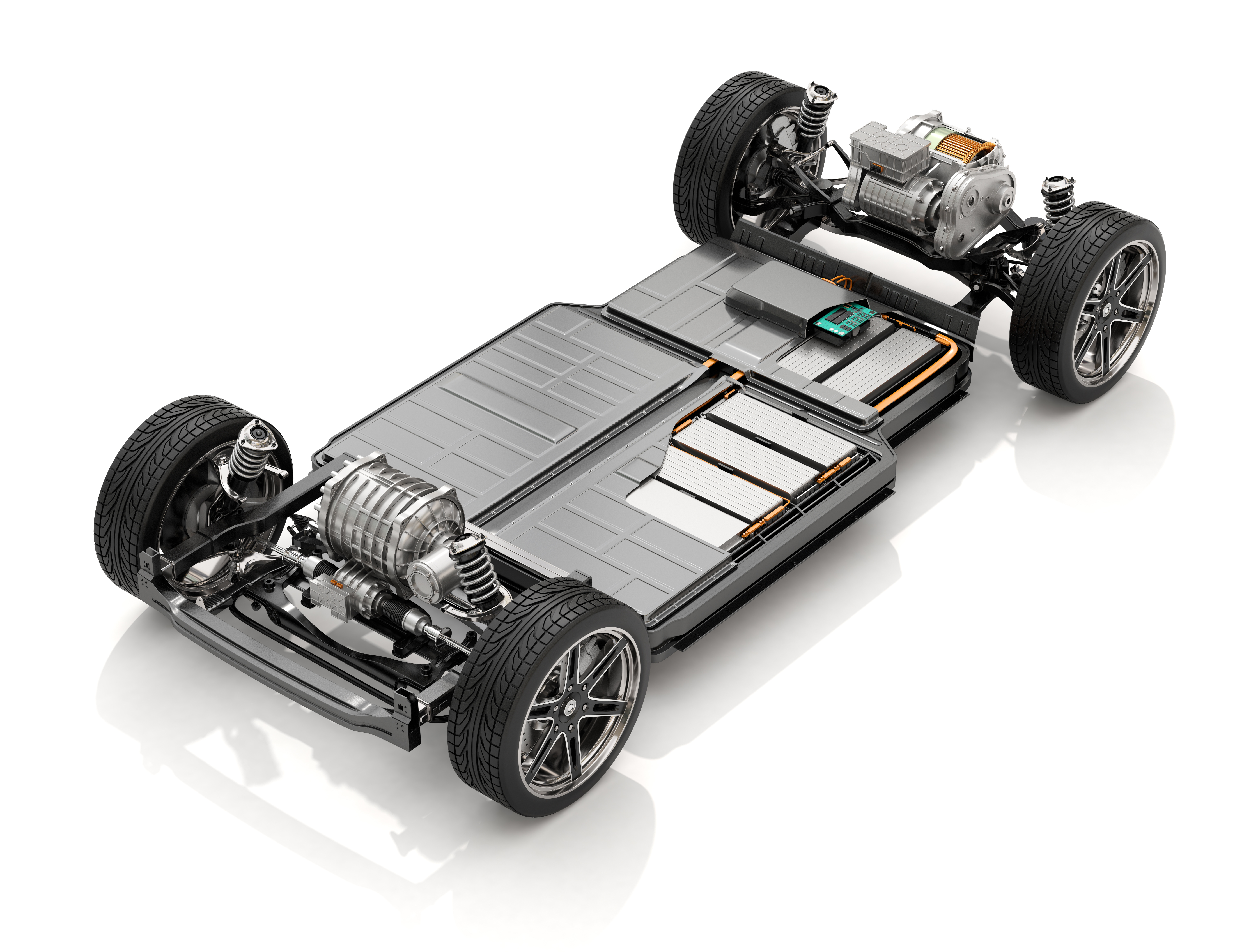
What are Some Dangers of Lithium-Ion Batteries in Electric Vehicle (EV) Service and Manufacture?
With the increasing popularity of electric vehicles (EV), it is important to know the dangers of the lithium-ion battery in order to ensure use of the proper personal protective equipment and facility safety solutions to help keep workers safe.
Full story -
- Jul 13, 2022, 11:12 AM
-
How Does Dehydration Impact Workplace Safety?

How Does Dehydration Impact Workplace Safety?
Workers can lose up to two gallons of fluid per day making them especially vulnerable to the hazards that can cause serious injury and/or illness. Understanding how worker performance and efficiency is affected by environmental conditions is critical to reducing dehydration-related illnesses and accidents.
Full story -
- Jun 22, 2022, 10:29 AM
-
PPE for Servicing Electric Vehicles
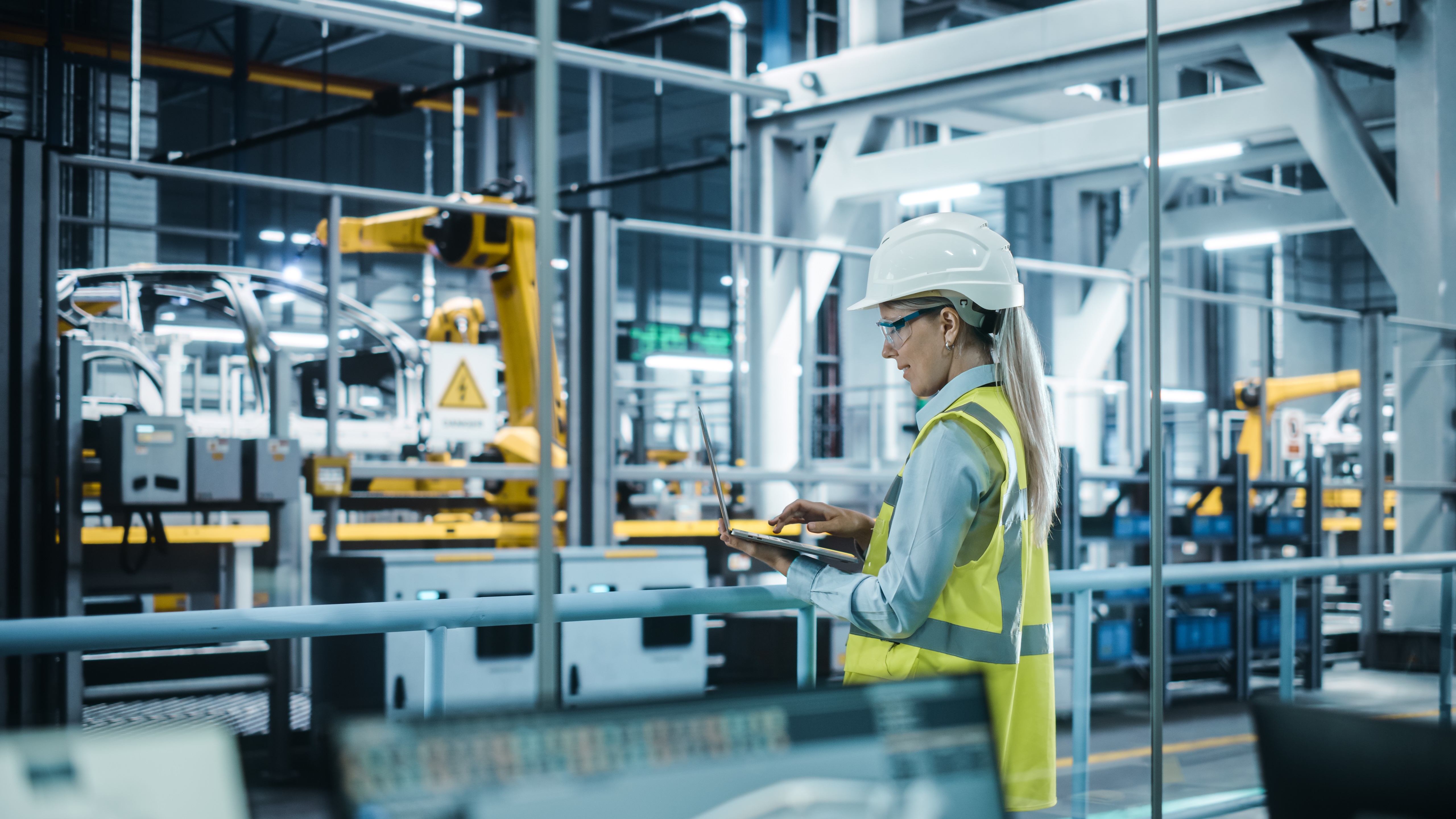
PPE for Servicing Electric Vehicles
Batteries and electric systems in conventional vehicles are 12 volts DC. Battery packs and power systems in electric and hybrid vehicles have operating voltages from 200 – 900 volts DC. This raises the level of protection necessary when working on these vehicles.
Full story -
- Jun 7, 2022, 10:15 AM
-
Selecting Dielectric Footwear
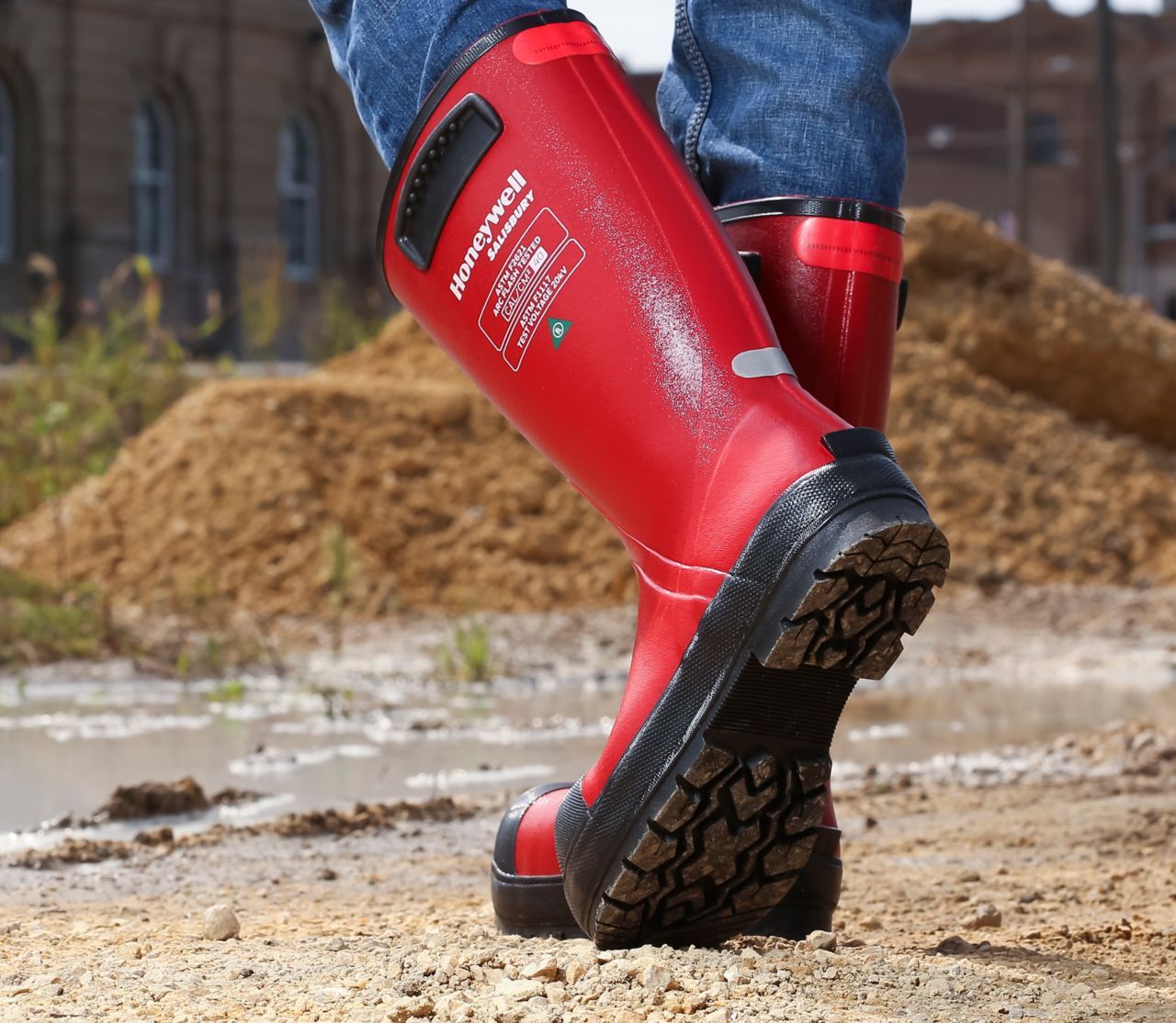
Selecting Dielectric Footwear
Protective footwear selection can be confusing for both electrical workers and others with limited exposure to energized lines and equipment. Quality products are available to address specific electrical hazards.
Full story -
- Jun 7, 2022, 10:14 AM
-
How to Clean Work Gloves
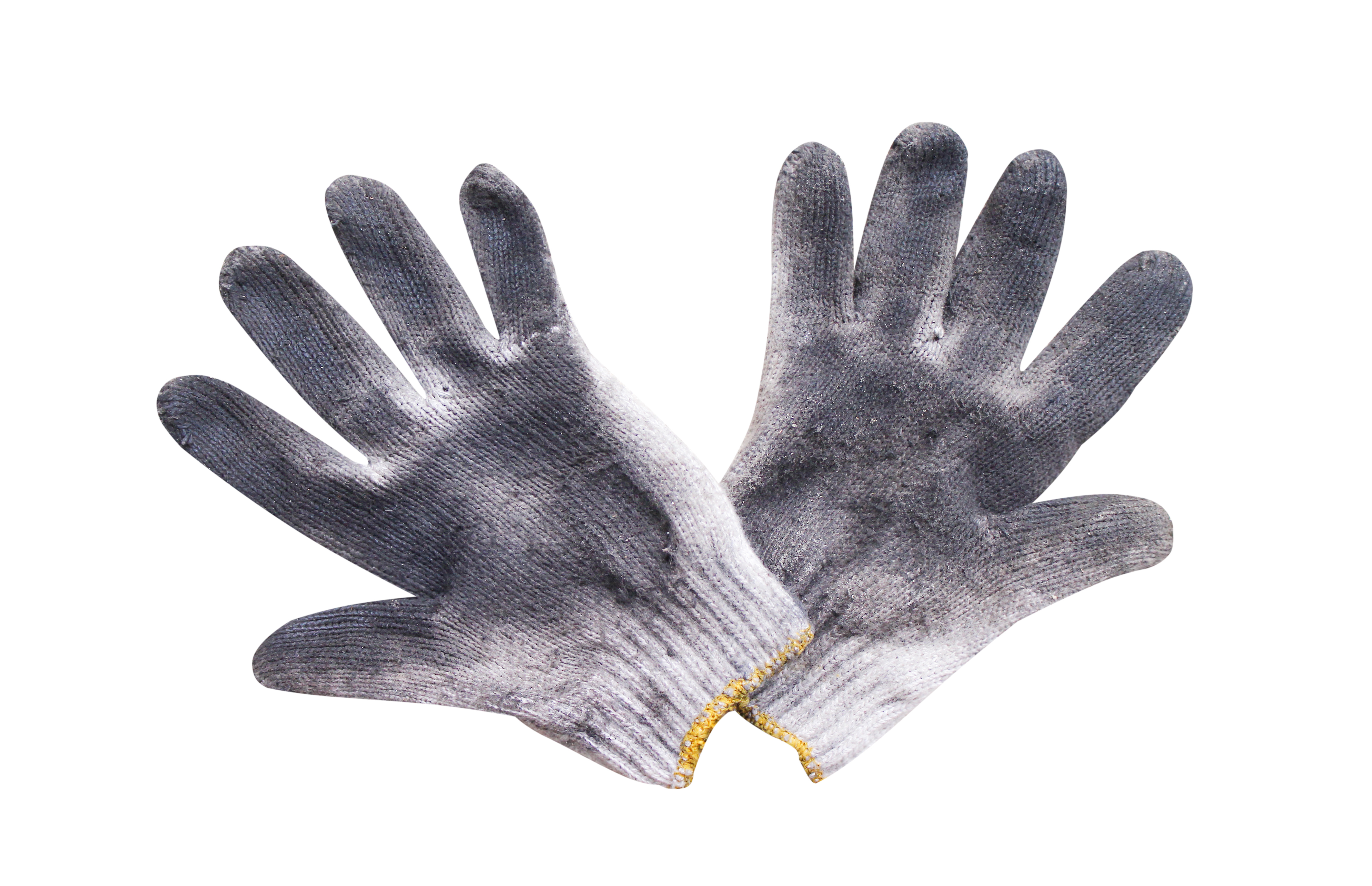
How to Clean Work Gloves
Cleaning work gloves for reuse can have economic as well as environmental benefits providing you select the most appropriate reconditioning process.
Full story